 EN
EN
Upfront Investment: Lower Capital Expenditure with Semi Automatic Block Making Machines
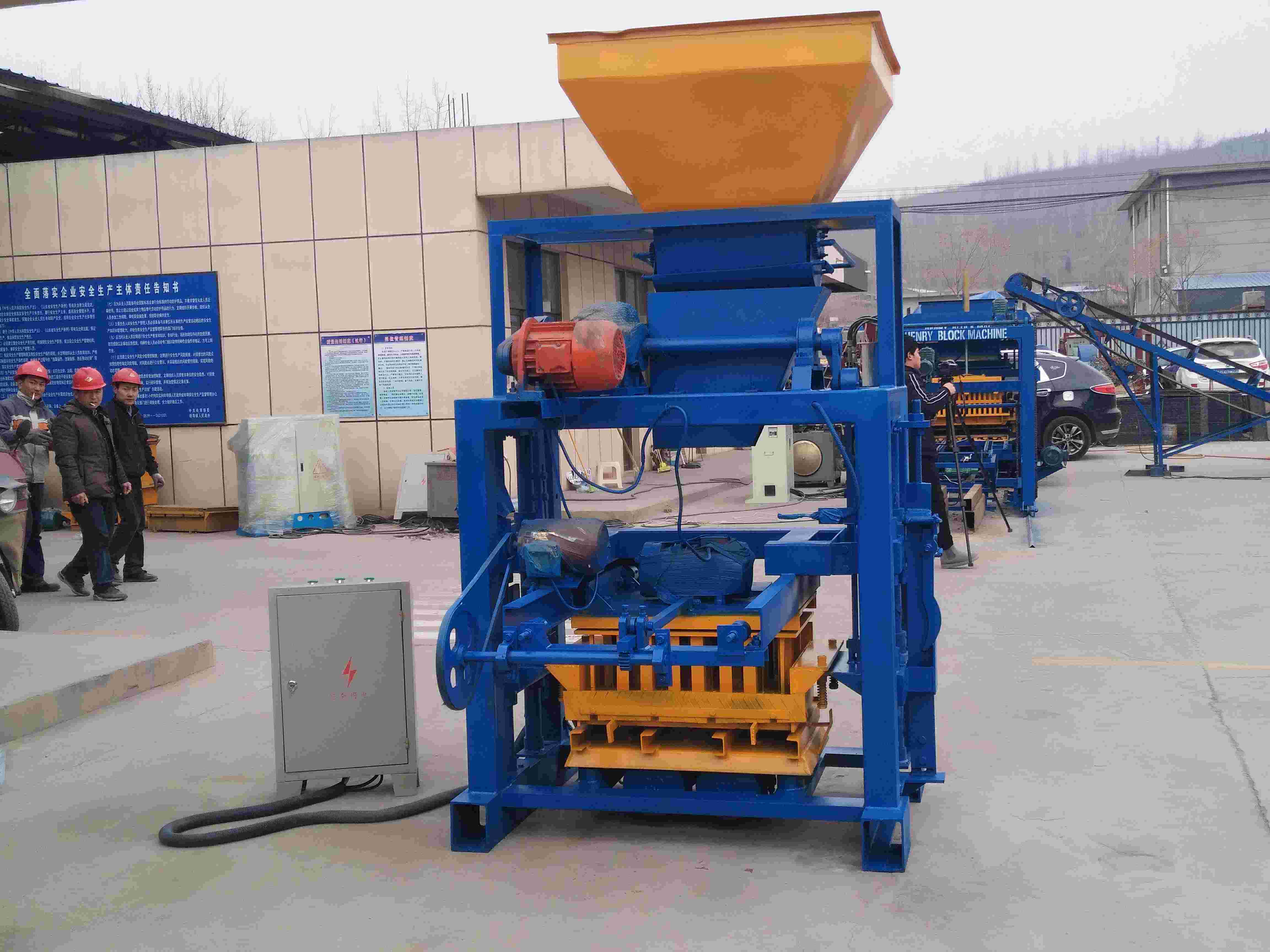
Cost Comparison: Semi-Automatic vs. Fully Automatic and Manual Systems
Semi automatic block makers find a good middle ground somewhere between doing everything by hand and going all in on expensive automation. Let's look at the numbers real quick: manual setups run around $500 to $5k but can only crank out less than 2k blocks each day while requiring lots of backbreaking work. On the flip side, those fancy fully automatic systems need a big chunk of change right off the bat, usually between $55k and $120k for all the robots, conveyor belts, and computer controls. Semi automatic options sit comfortably in between at $18k to $35k, which is actually 35 to 50 percent cheaper than their fully automatic counterparts. These midrange machines consistently produce anywhere from 4k to 12k blocks per day. The price point plus the ability to scale production makes these machines a smart choice for construction companies wanting decent returns on their investment without pouring too much money into equipment right away.
Transparent Upfront Breakdown: Machine, Installation, Training, and Site Readiness
The total startup investment comprises four streamlined components:
- Machine Purchase: Accounts for 60–70% of total costs
- Installation: Requires only basic concrete foundations and standard three-phase electrical supply—no complex automation integration
- Operator Training: Completed in under one week thanks to intuitive, button-and-lever controls
- Site Preparation: Minimal modifications needed; no structural retrofitting or dedicated control rooms required
This lean setup enables operational readiness in just 14–21 days—significantly faster than fully automated deployments. Builders can redirect saved capital toward raw materials, inventory, or business development, strengthening financial agility from launch.
Operational Cost Savings: Labor, Energy, and Maintenance Efficiency
Labor Optimization: 2–3 Operators Delivering 500–2,000 Blocks/Day
Semi automatic systems cut down on how much we rely on workers but still keep someone watching what's going on. Just two or three people who know their stuff can crank out anywhere from 500 to maybe even 2000 blocks per day. That actually matches what traditional manual lines do, but with way fewer folks needed around. The humans take care of putting materials into the system, checking if things look good enough, and starting each production run. Meanwhile, the machinery takes over for all the heavy lifting like making sure everything vibrates properly, gets compacted correctly, and then pops out when ready. By splitting up these responsibilities this way, companies save about 30% to 40% on wages alone. Training costs go down too, which is always nice. Plus there's less headache dealing with those unpredictable worker shortages that happen so often in local job markets across different regions.
Reduced Energy Use: 40–50% Lower Power Consumption vs. Fully Automatic Machines
The bottom line is that simpler mechanics mean better energy efficiency. Fully automated production lines keep running all sorts of equipment non-stop: hydraulic pumps, conveyors, those PLC controlled systems. But semi automatic machines? They just need basic power for their main functions. Usually one 5 horsepower motor handles core forming and compaction work. Compared to the 10 to 15 horsepower needed by automated systems, this cuts electricity usage by about 40 to 50 percent. When looking at manufacturing costs, electricity often makes up 15 to 20% of expenses, especially since utility rates can swing so much from month to month. The consistent performance of these less complex machines translates into real money saved over time for manufacturers dealing with unpredictable energy bills.
Lower Maintenance Burden and Downtime Compared to High-Complexity Systems
Semi automatic machines have about 60 percent fewer moving parts compared to their fully automated counterparts which means they need service less often and when they do require attention it's usually straightforward stuff. Operators handle regular tasks like applying lubricant, checking bolts, and cleaning molds day after day without needing any special certifications for basic maintenance work. The bottom line? Maintenance expenses go down by around $1,200 to $1,800 each year per machine, while unexpected shutdowns remain under 5% of total operation time. Contractors who are always racing against deadlines find this kind of reliability invaluable because projects simply cannot afford those costly delays caused by equipment breakdowns at critical moments.
Faster ROI and Scalable Economics for Mid-Scale Builders
Most mid-sized construction companies get their money back within a year because they start with lower costs upfront, spend less on labor and energy, and produce between 4,000 to 12,000 blocks each day. Regional manufacturers who make around 50,000 to 200,000 blocks per month find this setup works well for growing their business. They can slowly expand production by adding another semi-automatic line when needed instead of jumping straight into expensive full automation that costs hundreds of thousands. The flexibility means workers can work longer hours during busy times without having to stop everything for expensive restarts or complicated software changes. Maintenance stays pretty regular and there aren't too many technical issues to worry about, so expenses don't spike unexpectedly. This keeps profit margins steady even when it's hard to find skilled workers or when supplies become scarce.
Strategic Fit: Why Semi Automatic Block Making Machines Match Real-World Builder Constraints
For construction companies that are expanding but still watching their bottom line, semi automatic block makers hit the sweet spot between what they need and what makes financial sense. These machines cut out the huge upfront investment needed for full automation (we're talking anywhere from fifty grand to over two hundred thousand dollars) plus they don't require those highly trained technicians either. And despite needing only two or three people to run them, they still manage to keep output steady day after day. The shortage of skilled workers is really hurting the industry right now. A recent market analysis from Future Market Insights shows that almost half (about 47.5%) of all block making equipment sold worldwide last year was semi automatic models. Why? Because these systems can work well even when staff levels fluctuate or training resources are limited. Mid sized building firms especially appreciate how easy it is to scale operations up or down as local demand changes. They get most of the efficiency gains from automation without dealing with all the headaches that come with overly complicated machinery.
FAQ
What is the main advantage of using semi-automatic block making machines?
Semi-automatic block making machines offer a balance between capital investment and production efficiency. They are cost-effective, require lower upfront investment compared to fully-automated systems, and can produce a significant number of blocks daily while also reducing labor and energy costs.
How does the cost of semi-automatic machines compare to fully automatic and manual block making systems?
Semi-automatic block making machines cost between $18k to $35k, which is 35-50% less than fully automatic systems that range from $55k to $120k. They offer better production capabilities than manual systems, which cost $500 to $5k.
What is the typical operational downtime for semi-automatic machines?
Semi-automatic machines have fewer moving parts than their fully automatic counterparts, leading to lower maintenance burdens. Operators can handle basic maintenance tasks, reducing downtime to less than 5% of total operation time.
What kind of training is needed to operate semi-automatic block making machines?
Operator training for semi-automatic machines is straightforward and can be completed in less than a week. The controls are user-friendly and intuitive, consisting mostly of button-and-lever controls.
Table of Contents
- Upfront Investment: Lower Capital Expenditure with Semi Automatic Block Making Machines
- Operational Cost Savings: Labor, Energy, and Maintenance Efficiency
- Faster ROI and Scalable Economics for Mid-Scale Builders
- Strategic Fit: Why Semi Automatic Block Making Machines Match Real-World Builder Constraints
-
FAQ
- What is the main advantage of using semi-automatic block making machines?
- How does the cost of semi-automatic machines compare to fully automatic and manual block making systems?
- What is the typical operational downtime for semi-automatic machines?
- What kind of training is needed to operate semi-automatic block making machines?