 EN
EN
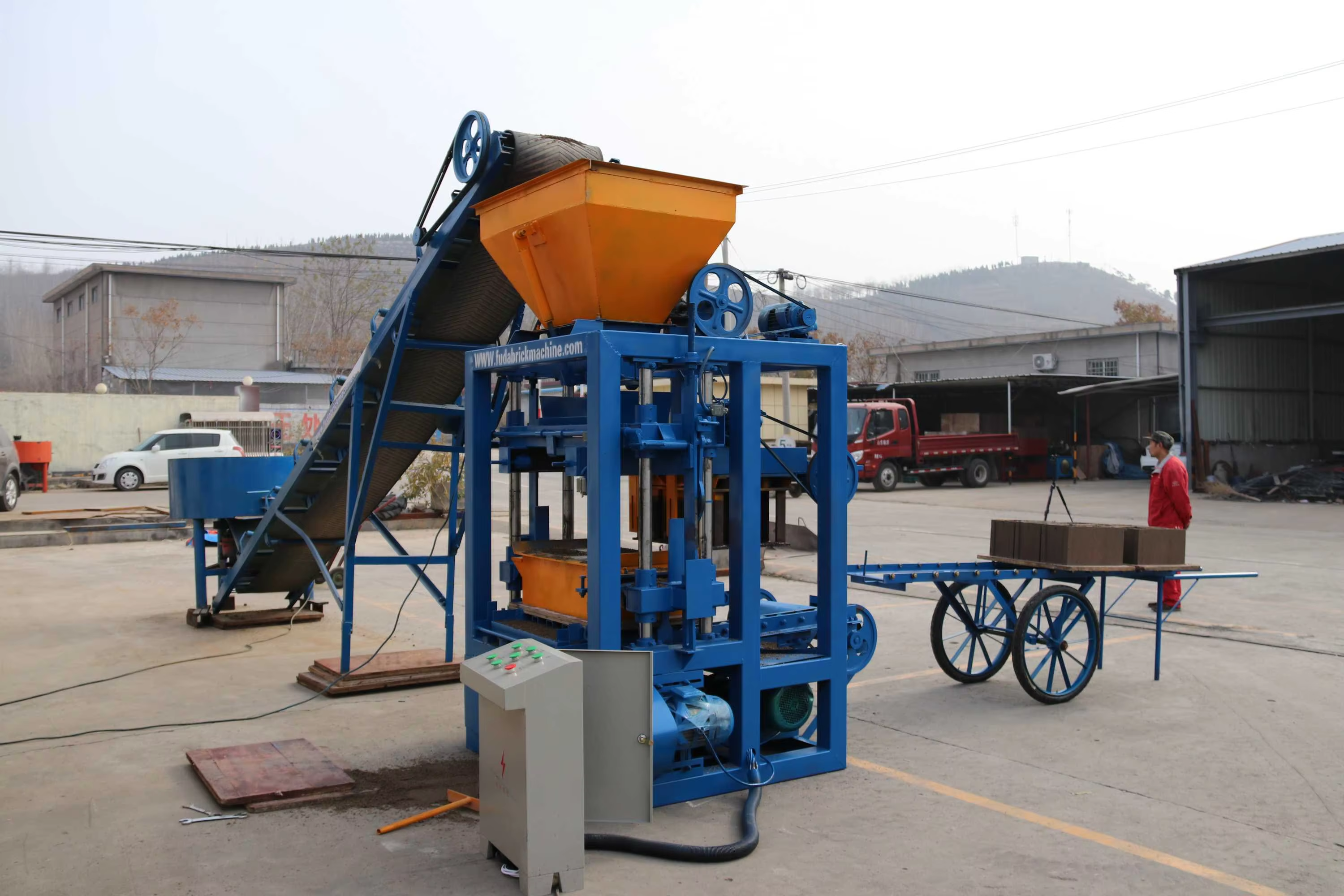
Boosted Production Efficiency with a Semi Automatic Block Making Machine
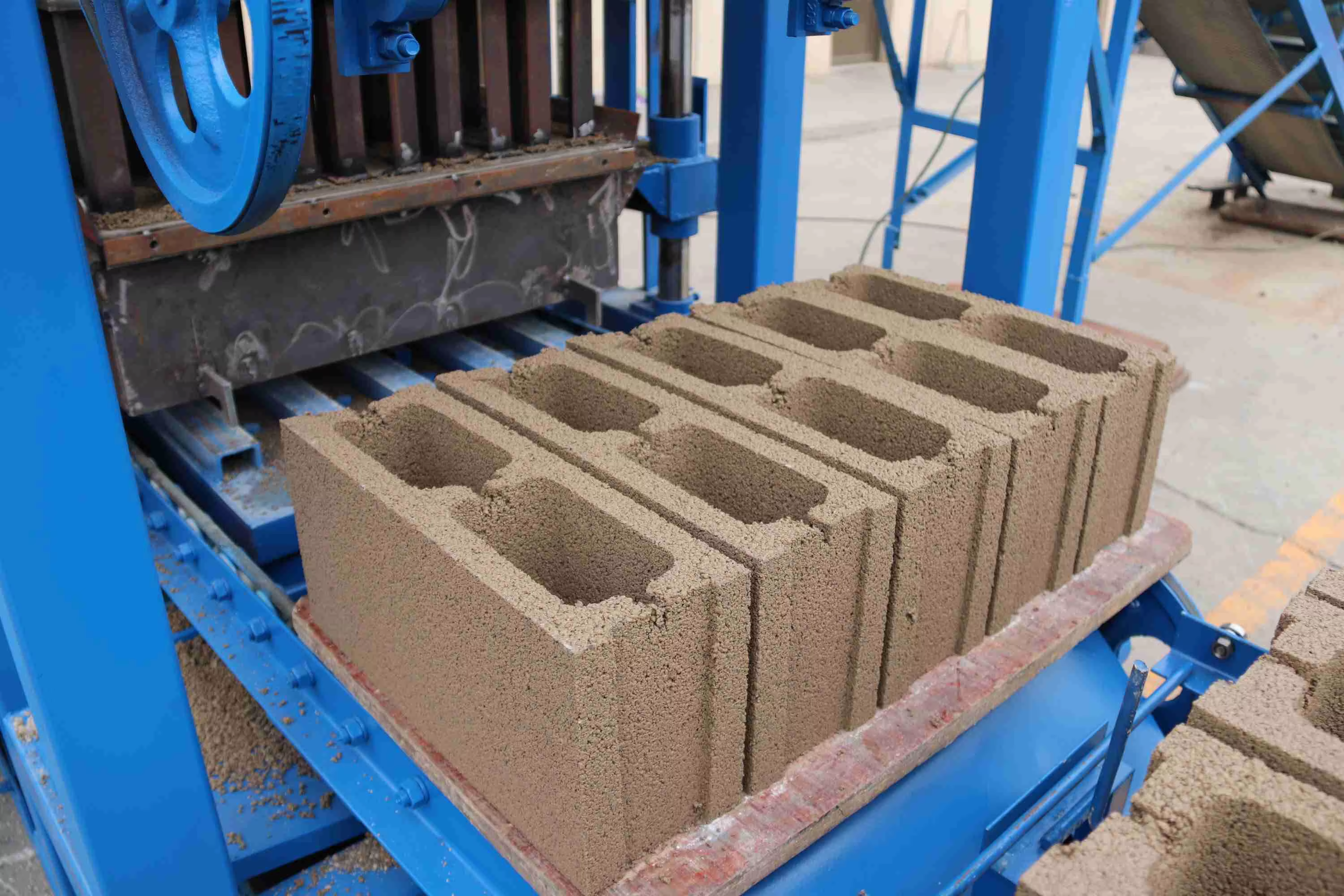
How PLC Control Enables Precise Cycle Timing and Output Optimization
PLC systems basically take out the guesswork when it comes to timing issues during production runs. These controllers handle several key aspects automatically. For instance, they manage how long materials get fed into the system usually around 3 to 5 seconds control vibrations at about 8 thousand to 10 thousand RPM and time mold releases somewhere between 12 and 15 seconds. All this coordination helps keep each block cycle running smoothly within 20 to 25 seconds total. What's really impressive is that these machines cut down on wasted time between operations by roughly 40 percent compared to what happens when everything is done manually. The best part? Operators still have room to adjust things like hydraulic pressure settings which typically range from 120 to 150 bar depending on what kind of concrete mixture is being used. This flexibility means consistent output rates while maintaining product quality throughout the whole process.
Real-World Gains: 65% Higher Daily Output vs. Manual Pressing (1,800–2,200 Blocks/8 Hours)
Semi automatic block making systems give real productivity gains, typically cranking out around 65% more blocks each day compared to old fashioned manual pressing techniques. Manual labor usually gets about 1,000 to 1,300 blocks done in an 8 hour workday, while these PLC controlled machines can hit between 1,800 and 2,200 units because they run non stop without needing breaks. The increased production comes from cutting out those inevitable worker rest periods and keeping equipment running at roughly 85% efficiency thanks to timed vibrations and ejection processes working together. For smaller brick manufacturing operations looking to boost their output without breaking the bank, these semi automatic systems offer a smart middle ground. They let businesses grow their capacity competitively without having to invest in expensive fully automated lines that require major facility upgrades.
Superior Block Quality and Consistency from a Semi Automatic Block Making Machine
Eliminating Human Variability in Compaction and Curing
When bricks are made manually, there's always an issue with how tightly they get pressed together and when they're allowed to cure properly. These problems come down to tired workers and varying techniques throughout the day. The inconsistency leads to bricks that can differ in density by as much as 15%, which means weaker structures overall and more rejected products sitting around unused. That's where semi automatic block makers really shine. These machines have built in programming that makes sure each brick gets exactly the same amount of pressure during compression. They also control how long each unit stays in the curing process without fail. What happens? Bricks come out consistently dense across the board, measure correctly every time, and meet those tough ASTM C90 requirements. Less waste ends up in landfills, and contractors actually trust these bricks enough to use them on serious construction projects instead of just throwaway walls.
Hydraulic Pressure Uniformity and Controlled Vibration for High-Strength Concrete Blocks
Hydraulic systems in semi-automatic machines deliver consistent pressure (1,200–1,800 psi), while synchronized vibration at 4,500 RPM removes entrapped air. This dual-action process achieves three key outcomes:
- Enhanced compressive strength: Blocks withstand ≥30 N/mm² loads–20% higher than manual equivalents
- Eliminated weak zones: Uniform material distribution prevents internal cracks and honeycombing
-
Optimized water resistance: Reduced porosity from thorough compaction improves durability in wet environments
The result is precision-engineered blocks suitable for foundations and load-bearing walls–cutting long-term maintenance costs by up to 40%.
Lower Operational Costs with a Semi Automatic Block Making Machine
40–60% Reduction in Labor Dependency Without Compromising Throughput
Semi automatic block makers cut down on the need for so much manpower because they handle the material moving, compressing, and ejecting all by themselves. Take a look at traditional methods where someone needs about four or five people working together just to get decent results. These newer systems? They run pretty well with only one or two folks around to keep things going, and they can crank out anywhere from 800 to almost 1000 blocks every single hour. For smaller operations struggling to stay profitable, this kind of setup means saving close to half what they used to spend on wages without any drop in production speed. Plus there's less mistakes happening during those repetitive steps when humans aren't doing everything manually, which saves money in the long run since we're not wasting as much material or having to fix messed up blocks later on.
Energy-Efficient Design Optimized for Small-to-Medium Brick Plants
Semi automatic block machines are built with sustainability in mind, incorporating better hydraulic systems and variable speed vibration drives that slash power usage by around 15 to 30 percent compared to older models on the market. The smart load sensing tech kicks in the big energy consumers only when needed during actual compression work, so there's no wasted power just sitting idle. For small manufacturing facilities where electricity costs typically eat up between 18 and 25 percent of their operating expenses, these savings mean getting their money back pretty quickly. Plus, the modular setup lets businesses start simple with basic operations and gradually upgrade to more sophisticated automated features as production needs expand, which helps prevent spending too much upfront on capabilities they don't need right away.
Production Flexibility Across Block Types Using a Semi Automatic Block Making Machine
Semi automatic block makers offer great flexibility for producers who need to make all sorts of blocks without spending big bucks on new tools. These machines come with modular parts that let operators swap out molds quickly, so they can easily move from one type of block to another when projects change or local building codes require different specifications. For smaller operations working in specialized markets or handling custom jobs, this kind of flexibility makes all the difference. A good example would be switching production from insulation blocks designed for freezing weather conditions to heavier duty blocks needed for supporting structures in commercial buildings, all on the same equipment without downtime between setups.
This operational flexibility eliminates the need for multiple specialized machines–reducing capital expenditure by 30–50% compared to dedicated automated lines. Plants can respond to custom client requests–such as unique dimensions or textured finishes–within hours rather than days, strengthening competitiveness in dynamic construction markets.
FAQ
What is a PLC control system in block making machines?
PLC control systems automate the timing of various processes in block production, such as material feeding, vibration, and mold release, ensuring precision and efficiency in the cycle.
How does a semi automatic block making machine reduce operational costs?
Semi automatic machines require fewer labor resources, operate more efficiently, and consume less energy, leading to significant cost savings for manufacturers.
Can semi automatic machines produce different types of blocks?
Yes, these machines offer modular parts which allow for easy mold changes, enabling the production of various block types without costly equipment upgrades.
Table of Contents
- Boosted Production Efficiency with a Semi Automatic Block Making Machine
- Superior Block Quality and Consistency from a Semi Automatic Block Making Machine
- Lower Operational Costs with a Semi Automatic Block Making Machine
- Production Flexibility Across Block Types Using a Semi Automatic Block Making Machine
- FAQ