 EN
EN
Boosted Production Efficiency with Automatic Brick Making Machines
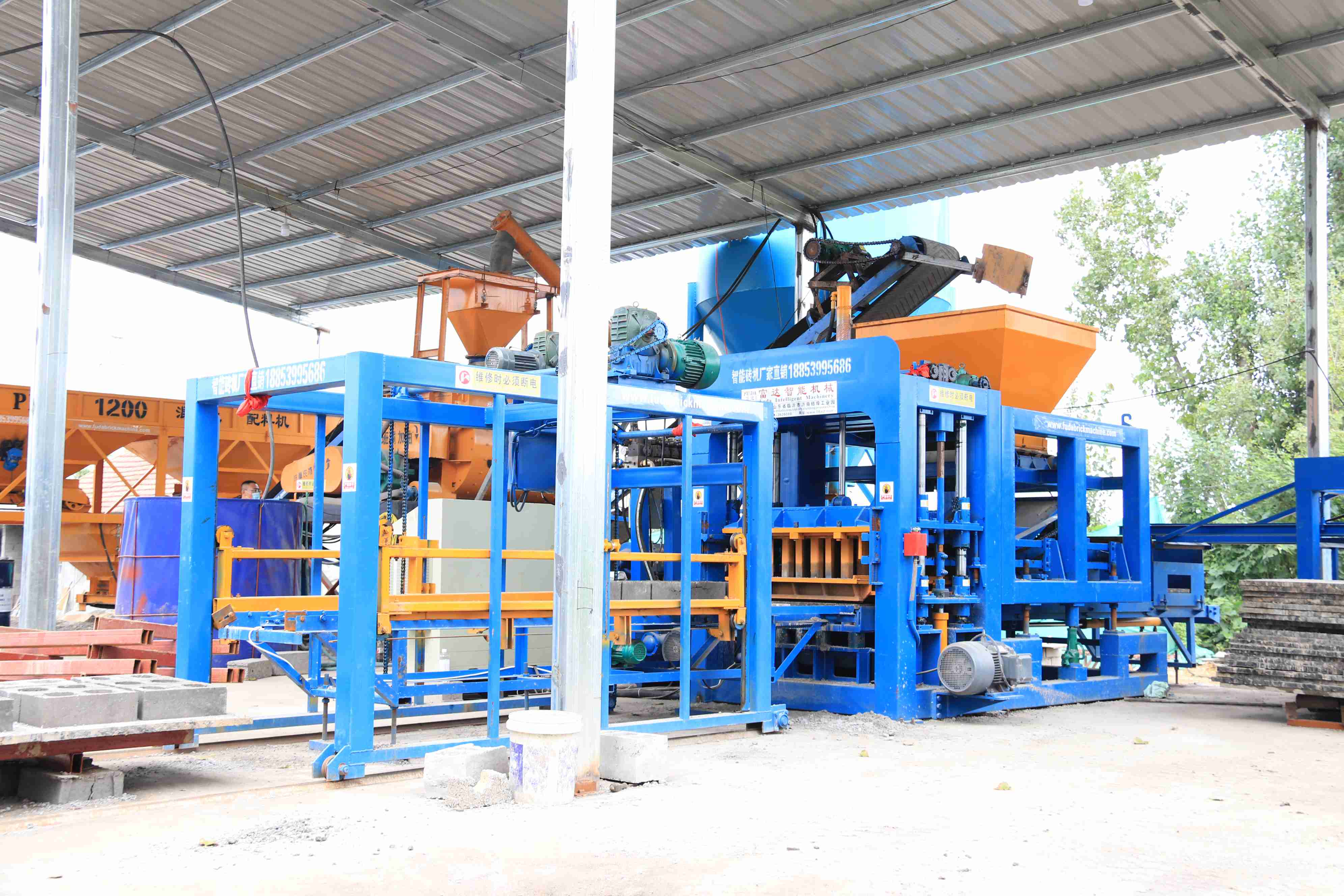
PLC-Synchronized Automation Replaces Manual Batching and Molding
Automatic brick making machines have revolutionized production by replacing those tedious manual tasks thanks to PLC systems that handle everything from batching to mixing and finally molding all in one go. The result? Fewer mistakes made by workers, faster production cycles, and output rates that can hit well over 40 thousand bricks every hour flat out. According to real world testing, these machines process materials around 65 percent faster than traditional methods because there's no waiting time between steps, the materials keep flowing consistently throughout, and there's hardly any waste since the conveyors are sealed tight against spills. What's more interesting is how these machines actually use less raw material while still keeping up with high volume demands, which makes them both economically and environmentally sensible choices for brick manufacturers looking to modernize their operations.
Hydraulic Precision + Servo Vibration Ensures 98% Cycle Repeatability (ASTM C140-23)
When we combine servo controlled vibrations with precise hydraulic compression, blocks come out consistently every time. The system keeps adjusting pressure on the fly between 16 to 22 megapascals while running at 50 hertz to shake out any trapped air pockets. According to ASTM standards from 2023, this process hits over 98% uniformity in compaction. What does that mean? No more honeycombing issues or weak spots along the edges. Factories report around 30% fewer rejects and an impressive drop in rework needs by almost 90%. There's also an intelligent feedback mechanism that keeps dimensions stable even when temperatures fluctuate throughout the day. This kind of tight control matters a lot for big construction jobs where millimeter level accuracy can make all the difference between success and costly delays.
Superior Block Quality Through Consistent Hydraulic Compression and Vibration
Real-Time Pressure Calibration Eliminates Density Variance Across Batches
Hydraulic systems controlled by PLCs keep track of how thick materials are getting and what's happening inside the molds, adjusting the pressure applied about once every ten milliseconds. This kind of real time adjustment gets rid of those pesky differences in density from one batch to another something that plagues manual operations where errors can be as high as 12 percent according to ASTM standards. When density stays within plus or minus 3%, everything cures more consistently across the board. Factories see fewer cracks forming during processing and end up throwing away way less product overall maybe around half compared with traditional open mold methods which just don't match this level of control.
16–22 MPa Compression + 50 Hz Vibration Achieves ¥92% Compaction Uniformity (IS 2116)
When combining high force hydraulic pressure ranging between 16 to 22 MPa along with synchronized 50 Hz vibrations, dual phase compaction works much better at removing air from concrete mixtures compared to systems that rely on just one method. This approach typically reaches around 92 percent compaction uniformity according to Indian Standard 2116 specifications, which actually represents about a 15 percentage point improvement over traditional methods in terms of density consistency across different parts of the mix. Getting the right vibration frequency helps particles settle properly without causing separation issues, resulting in concrete blocks that can handle compression forces between 25 and 30 MPa making them good choices for structural applications where weight bearing capacity matters. With void content staying under 5 percent, these materials show roughly 40 percent better resistance against freezing and thawing cycles too, allowing engineers to design structures using less material overall while still meeting performance requirements.
Lower Operational Costs and Faster ROI from Full Automation
72% Labor Reduction: From 14 to 4 Operators per Line (Field-Validated Data)
Implementation of fully automatic brick making machines reduces staffing requirements from 14 to just 4 operators per production line—a verified 72% labor reduction. This directly lowers payroll and overhead costs while improving operational continuity, as automated systems are unaffected by shift changes, fatigue, or skill variability.
CAPEX vs. ROI Analysis: Breakeven in 14.3 Months at ¥65% Utilization
The capital gets paid back pretty quickly too - about 14 months once the system runs at least 65% capacity. Why so fast? Mainly because workers spend less time on repetitive tasks, cutting labor costs by nearly 60% of what we see in overall returns. Maintenance bills drop around 19% thanks to those smart sensors that warn about problems before they happen. And production stays consistent about 23% better than before, which means fewer raw materials end up as scrap. When machines keep running nonstop without needing extra shifts or dealing with unexpected breakdowns, everything just works out financially in the long run for most manufacturers.
Enhanced Workplace Safety, Sustainability, and Material Efficiency
Zero Manual Wet Concrete Handling + Integrated Dust Suppression (89% PM10 Reduction)
Brick production workers no longer have to handle wet concrete directly thanks to automation, which is a major factor behind chemical burns and back injuries on these job sites. When it comes to dust control, modern systems equipped with HEPA filters actually grab those tiny particles right where they form, cutting down PM10 emissions by about 89% compared to what happens when everything's done manually. Beyond just keeping people safe from slips and falls, this approach keeps the air clean enough to meet both OSHA standards for construction work and EPA requirements for outdoor air quality. Most importantly, it creates a safer environment for everyone involved without compromising productivity.
AI-Optimized Mix Proportioning Cuts Raw Material Waste by 22% and Supports LEED MRc4
Modern machine learning systems look at moisture levels and density measurements as they come in, adjusting water to cement ratios on the fly. This helps cut down on wasted materials by around 22% when mixing batches precisely. The waste reduction aspect plays right into requirements for LEED MRc4 certification since it keeps construction scraps out of landfills instead of just tossing them away. When paired with recycling programs that handle rejected materials or those outside spec standards, these systems significantly reduce the need for new raw resources. What's interesting is how this approach actually moves us closer to circular economy principles while still maintaining all the structural integrity we expect from quality concrete work.
FAQ
What are the benefits of using an automatic brick making machine?
Automatic brick making machines offer several benefits, including improved production efficiency, reduction in labor costs, and enhanced workplace safety. They also support sustainability by reducing raw material waste and improving the quality of bricks produced.
How does an automatic brick making machine improve production efficiency?
These machines improve production efficiency by using PLC-synchronized automation to handle batching, mixing, and molding processes faster and more consistently than manual methods. This helps achieve higher output rates and fewer errors.
How much labor can be reduced by using automatic brick making machines?
Using automatic brick making machines can reduce labor requirements by up to 72%, decreasing the number of operators needed from 14 to just 4 per production line, thus lowering payroll and overhead costs.
How do automatic brick making machines support sustainability?
Automatic machines support sustainability by optimizing mix proportions using AI, which cuts raw material waste by 22%. This supports recycling efforts, reduces the need for new resources, and complies with LEED certification requirements.
What safety improvements come with automatic brick making machines?
These machines eliminate the need for manual wet concrete handling, reducing the risk of chemical burns and back injuries. They also integrate dust suppression systems, reducing PM10 emissions and meeting OSHA standards for safe working conditions.
Table of Contents
- Superior Block Quality Through Consistent Hydraulic Compression and Vibration
- Lower Operational Costs and Faster ROI from Full Automation
- Enhanced Workplace Safety, Sustainability, and Material Efficiency
-
FAQ
- What are the benefits of using an automatic brick making machine?
- How does an automatic brick making machine improve production efficiency?
- How much labor can be reduced by using automatic brick making machines?
- How do automatic brick making machines support sustainability?
- What safety improvements come with automatic brick making machines?