 EN
EN
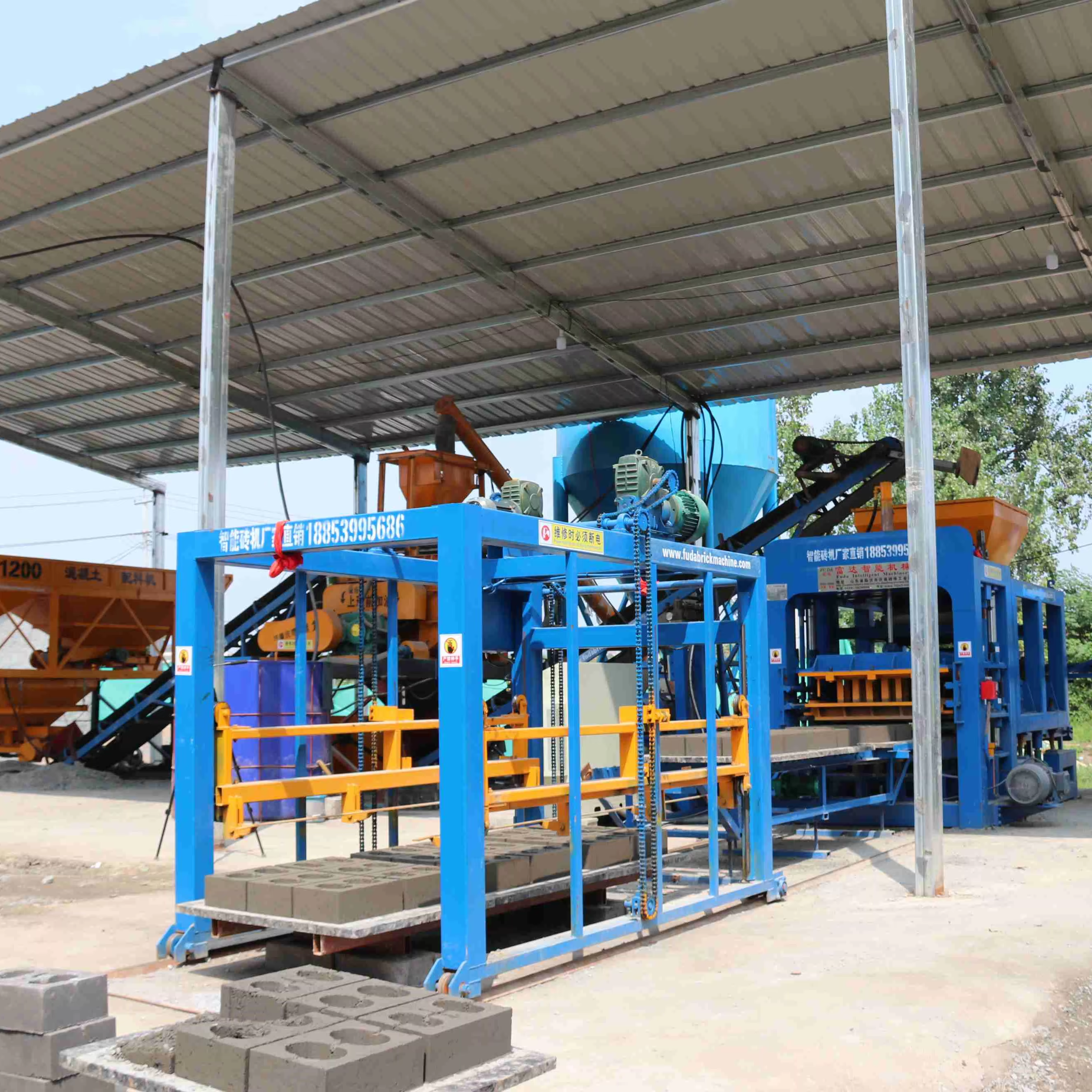
Hydraulic Power System of Automatic Brick Making Machine: Precision Pressure Control for Consistent Block Quality
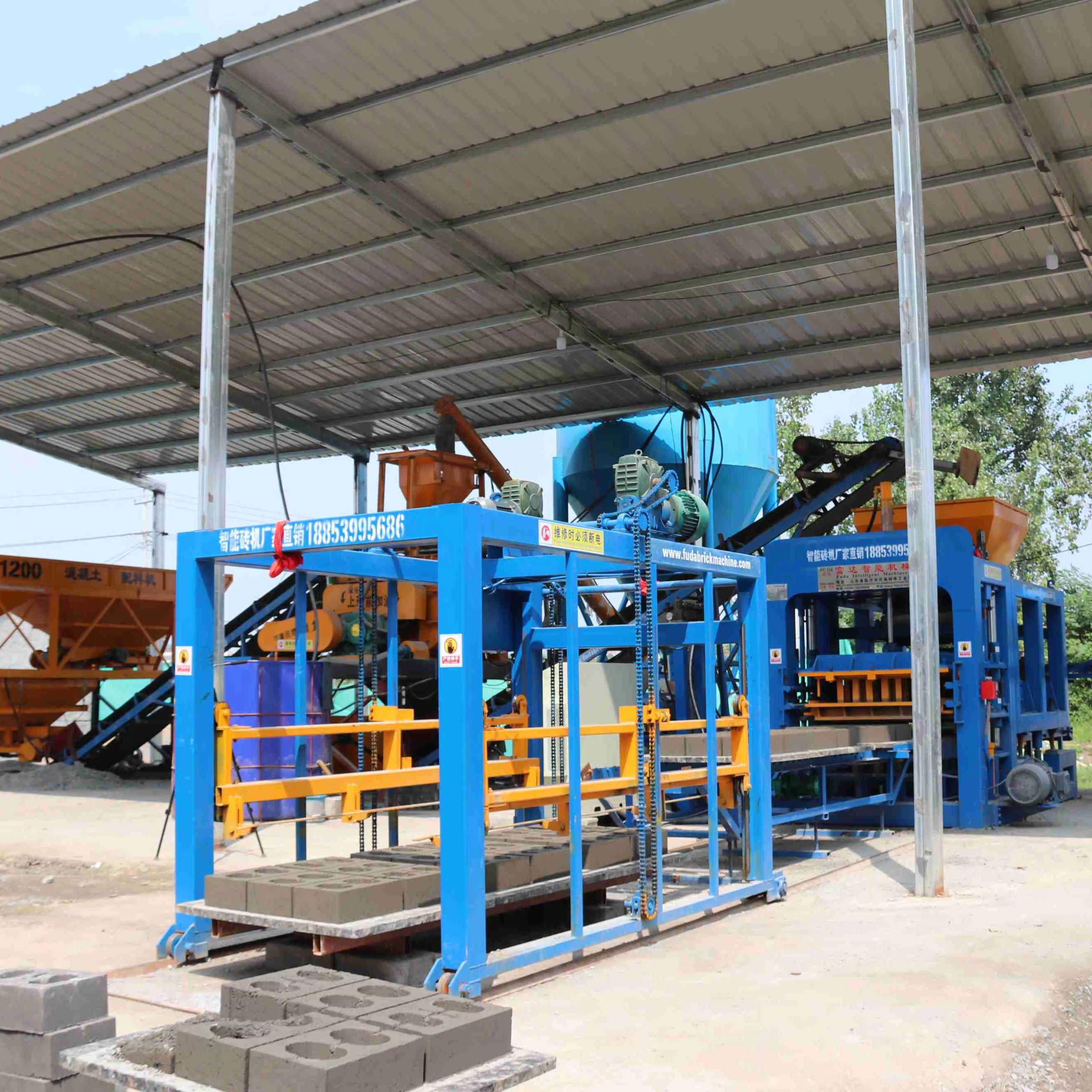
How Optimized Hydraulic Pressure and Dwell Time Ensure Uniform Density and Compressive Strength
Modern block production relies on hydraulic systems that apply carefully measured pressure, usually around 500 to 700 tons, during a specific dwell period lasting between 3 and 7 seconds. When done right, this process gets rid of those pesky air pockets while lining up the aggregate particles properly. As a result, blocks made this way tend to be about 18 percent denser than what comes out of machines that just vibrate the mix. Blocks produced through this method typically show good compressive strength ranging from 25 to 35 MPa, with dimensions accurate to within plus or minus 0.5 mm. These specs actually meet the ASTM C90 standards required for load bearing concrete masonry units used in construction projects.
Why Hydraulic Outperforms Mechanical and Pneumatic Systems in Automatic Brick Making Machine Applications
Three advantages define hydraulic superiority in automated brick making:
- Force Consistency: Hydraulic cylinders deliver repeatable tonnage (±2% variance) across 100,000+ cycles—unlike mechanical systems affected by linkage wear or pneumatic systems vulnerable to pressure fluctuations.
- Adaptive Control: Servo valves enable real-time pressure adjustments to accommodate variations in material moisture—impossible with fixed-stroke mechanical presses.
- Energy Efficiency: Regenerative circuits recover up to 40% of downward force energy during ram retraction, reducing power consumption by 30% versus pneumatic alternatives.
Together, these capabilities cut waste rates by 15–22% and make thinner, high-strength hollow blocks feasible—beyond the reach of legacy systems.
Full Automation & PLC Integration: Boosting Speed, Reliability, and Labor Efficiency
End-to-End PLC Control Architecture: From Molding to Ejection Without Manual Intervention
Modern automatic brick making machines use Programmable Logic Controllers (PLCs) to fully automate feeding, molding, compaction, and ejection. Real-time sensor feedback allows dynamic adjustment of vibration intensity, hydraulic pressure, and dwell time—ensuring uniform density without operator input. This integration eliminates manual handling variability and supports uninterrupted 24/7 operation.
Measured Gains: 37% Faster Cycle Time and 62% Lower Labor Dependency in Real-World Operation
These gains stem from instantaneous, sensor-driven corrections—such as compensating for shifts in material viscosity—freeing skilled personnel to focus on quality assurance rather than repetitive machine oversight.
Consistent Dimensional Accuracy and Zero Human Variability
Getting those measurements right down to the millimeter makes all the difference when it comes to building structures that stand up over time and work efficiently. When workers do things by hand, small errors tend to pile up, sometimes reaching around 5% error rate in each batch. But when we switch to fully automated hydraulic systems, the tolerance stays within about plus or minus 1 mm throughout. Why? Because these systems combine several smart technologies working together seamlessly. There's the PLC controlled mold placement, servos handling the ejection process, and lasers constantly scanning for any tiny shifts in position, fixing them before they become problems. What does this mean in practice? Every single block produced looks exactly like the last one after thousands of repetitions. This matters a lot for interlocking designs because something as small as a 2 mm gap between blocks can seriously weaken how weight gets distributed through the structure. Industry leaders have seen almost no need for trimming adjustments anymore, which translates into roughly 15% savings on overall project expenses based on what construction managers are seeing in the field today.
Modular Hollow Block Capability: Customizable Output for Diverse Construction Needs
Quick-Change Mold Systems Enabling Multi-Profile Production on a Single Automatic Brick Making Machine
The construction industry needs all sorts of different hollow block profiles these days ranging from regular partition walls right through to those specially designed for thermal efficiency or ones that already have conduits built in. Old fashioned single mold machines are a pain because they need long shutdown periods whenever someone wants to switch molds manually, which really messes with the inventory flow on site. Newer automatic brick making machines come equipped with quick change mold systems featuring standardized locking points so operators can swap between different block types in under fifteen minutes using just basic hand tools. What this means is one machine can basically act like an entire production line producing cavity blocks, interlocking pavers, and even some pretty fancy architectural forms without needing any extra machinery running alongside it.
Key benefits include:
- Design Flexibility: Architects specify unique void configurations—including thermal breaks and utility channels—without minimum order constraints.
- Production Efficiency: Eliminates 4–8 hour mold changeovers common in conventional systems.
- Resource Optimization: Reduces capital investment by consolidating multiple dedicated lines into one adaptable platform.
Modular molds empower manufacturers to profitably serve both bulk-standard and low-volume custom orders—maximizing ROI per square meter of factory space.
FAQ Section
What are the main advantages of hydraulic systems in block production?
Hydraulic systems offer force consistency, adaptive control, and energy efficiency, leading to denser and stronger blocks with less waste.
How do PLCs enhance the automation process in brick making machines?
PLCs automate and optimize the entire brick-making process, improving cycle time and reducing labor dependency while maintaining consistent quality.
What benefits do quick-change mold systems provide?
Quick-change mold systems allow for fast transitions between different block profiles, increasing production efficiency and design flexibility.
Table of Contents
- Hydraulic Power System of Automatic Brick Making Machine: Precision Pressure Control for Consistent Block Quality
- Full Automation & PLC Integration: Boosting Speed, Reliability, and Labor Efficiency
- Consistent Dimensional Accuracy and Zero Human Variability
- Modular Hollow Block Capability: Customizable Output for Diverse Construction Needs
- FAQ Section