 EN
EN
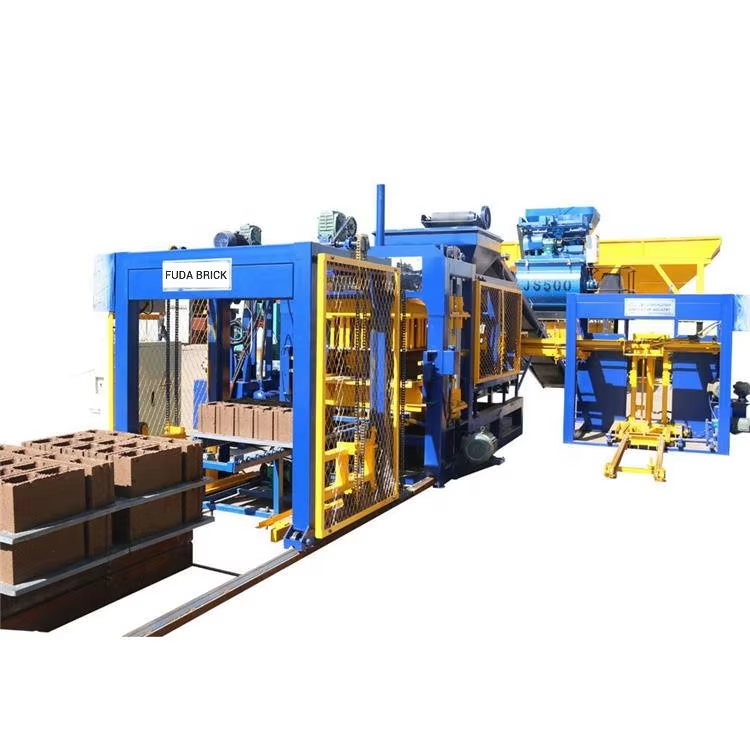
Sustainability Gains of Automatic Hydraulic Block Making Machine: Waste Reduction, Recycled Materials, and Green Certifications
Precision hydraulic compaction cuts material waste by up to 22% – aligning with UNEP circular economy goals
The latest hydraulic systems used in making concrete blocks can apply pressure well over 2000 psi across the entire surface. This helps get rid of those pesky air pockets and uneven spots that plague traditional methods. When manufacturers switch to these systems, they tend to waste about 18 to 22 percent less raw materials than older vibrating techniques. To put that into perspective, it's like saving around 1.2 tons of concrete for every batch of 10,000 blocks produced. These savings align pretty well with what the UN Environment Program has been pushing for in their circular economy goals, since there's just less need to dig up new resources and fewer leftovers heading to landfills. Another bonus comes from automated controls that keep track of moisture levels during mixing. This prevents folks from throwing away too much water or cement in the process. Industry insiders say companies typically cut their material costs by about 15% when they implement these improvements, which is good news for both the environment and their bottom line.
Enabling use of fly ash, slag, and crushed concrete as aggregates – supporting low-carbon brick production
Industrial byproducts such as fly ash (which can make up around 80% of the mixture volume), blast furnace slag, and even old concrete get processed into strong building blocks by these machines. When hydraulic pressure between 8 and 10 MPa is applied, it actually bonds all those recycled components together without making them any less durable. The resulting blocks have compression strength ranging from about 12 to 15 MPa, which meets the requirements set forth in ASTM C90 standards for construction materials. By substituting roughly 30 to 40 percent of regular Portland cement, this approach cuts down on carbon emissions significantly - around 220 kilograms of CO₂ equivalent per thousand blocks produced. Some top manufacturing sites are already making blocks that generate no waste whatsoever, incorporating as much as 90% recycled aggregate material. These operations show that large scale production remains possible while still meeting regulatory requirements and maintaining good quality performance characteristics.
Streamlining LEED and BREEAM documentation through traceable, consistent, low-emission block manufacturing
Production systems that are automated create detailed records showing how much recycled material goes into each product, usually between 40% to 75%. They also track energy consumption at around 1.1 to 1.3 kilowatt hours per block produced, plus carbon emissions ranging from 0.08 to 0.12 kilograms of CO2 equivalent per block. These records make it easier to get certified under green building standards like LEED and BREEAM. Projects can actually pick up as many as 12 different credits when looking at things like innovative materials usage, efficient resource management, and waste minimization efforts. Plants that install closed loop water recycling alongside solar panels right on site tend to score extra points for energy efficiency. This combination not only speeds up the certification process by about three to five weeks but also makes audits go much smoother later on.
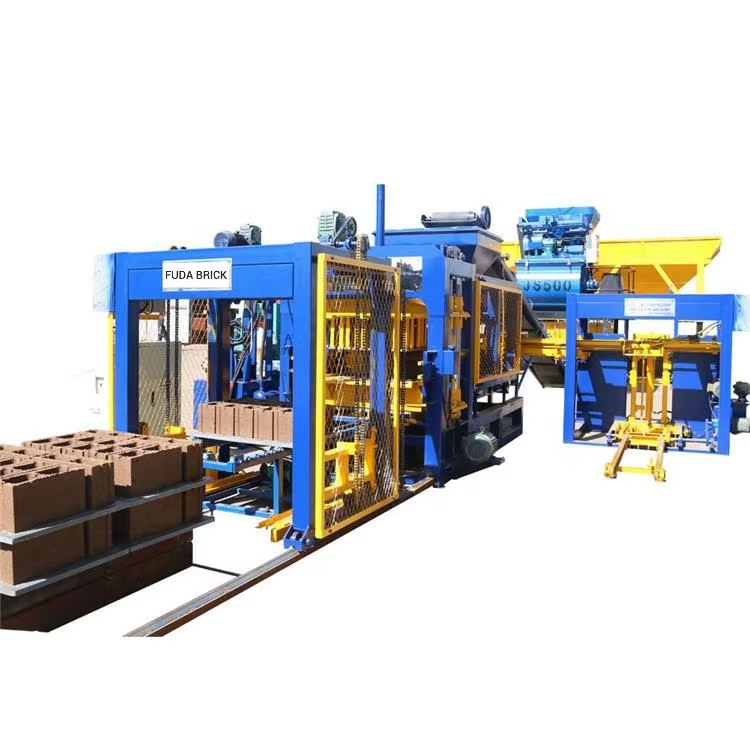
Core Capabilities of the Automatic Hydraulic Fly Ash Brick Making Machine
High-pressure hydraulic system: Uniform density, zero manual tamping, and 30–40% lower energy use vs. semi-automatic models
Hydraulic compaction systems produce consistently dense blocks thanks to their programmable pressure settings, which do away with the need for manual tamping and all the inconsistencies that comes with human operators. When we talk about actual numbers, these systems cut down on energy usage somewhere around 30 to maybe even 40 percent when compared against older semi-automatic models according to recent industry reports. The savings translate directly into lower running costs for manufacturers, plus each finished product maintains the same strength characteristics throughout production runs, making them last longer without compromising quality standards.
Modular mold design for hollow and solid blocks – optimized for fly ash brick making machine price-performance balance
Versatile mold configurations enable rapid switching between hollow blocks, solid bricks, and pavers without retooling downtime. This flexibility maximizes resource utilization when working with fly ash or other recycled aggregates. Key advantages include:
- Cost efficiency: Single-machine adaptability reduces capital expenditure by 25% versus specialized units
- Material optimization: Precision cavities minimize raw material waste by 18%
- Production scalability: Interchangeable components accommodate volume shifts while preserving the machine's cost-performance advantage
The system's compatibility with diverse industrial byproducts positions it as a cornerstone for sustainable manufacturing economies.
Operational Efficiency & Environmental Impact: Water, Energy, and Emissions Savings
The automatic hydraulic fly ash brick making machines cut down on environmental impact and actually save money when running day to day. These systems have closed loop water recycling that brings back around 70 percent of the water used during production. That makes all the difference for companies operating where water is scarce or expensive. The high pressure compaction method uses about 30 to 40 percent less energy than older semi automatic models. Think about it this way each machine saves enough power annually to supply electricity to roughly 120 average sized homes. Plus there's the benefit of using fly ash which takes waste material out of landfills and eliminates the need for traditional cement production that creates so much carbon pollution. Looking at the cost of these machines might seem steep at first glance but most businesses find they recoup their investment in just 18 to 24 months thanks to lower utility bills, needing fewer raw materials, and avoiding those costly carbon compliance fees. So really sustainability and getting things done efficiently go hand in hand here.
FAQ
What is the circular economy goal that hydraulic compaction supports?
Hydraulic compaction reduces material waste by up to 22%, aligning with UNEP's circular economy goals by minimizing resource extraction and landfill waste.
How does the automatic hydraulic fly ash brick making machine lower energy consumption?
The machine reduces energy use by 30-40% compared to semi-automatic models due to programmable pressure settings that ensure consistent block density without manual tamping.
How can using recycled materials like fly ash benefit brick production?
Incorporating industrial byproducts like fly ash reduces carbon emissions, saves raw materials, and produces strong building blocks while maintaining quality standards.
What are the advantages of a modular mold design?
Modular molds allow rapid switching between block types, reducing capital expenditure by 25% and optimizing material use to minimize waste by 18%.
How does automated production support green certification?
Automated systems provide detailed records of recycled content and energy use, streamlining the certification process for LEED and BREEAM.
Table of Contents
-
Sustainability Gains of Automatic Hydraulic Block Making Machine: Waste Reduction, Recycled Materials, and Green Certifications
- Precision hydraulic compaction cuts material waste by up to 22% – aligning with UNEP circular economy goals
- Enabling use of fly ash, slag, and crushed concrete as aggregates – supporting low-carbon brick production
- Streamlining LEED and BREEAM documentation through traceable, consistent, low-emission block manufacturing
- Core Capabilities of the Automatic Hydraulic Fly Ash Brick Making Machine
- Operational Efficiency & Environmental Impact: Water, Energy, and Emissions Savings
-
FAQ
- What is the circular economy goal that hydraulic compaction supports?
- How does the automatic hydraulic fly ash brick making machine lower energy consumption?
- How can using recycled materials like fly ash benefit brick production?
- What are the advantages of a modular mold design?
- How does automated production support green certification?