 EN
EN
Core Operational Differences of Hydraulic Block Making Machine: Automation Level, Control, and Compaction Quality
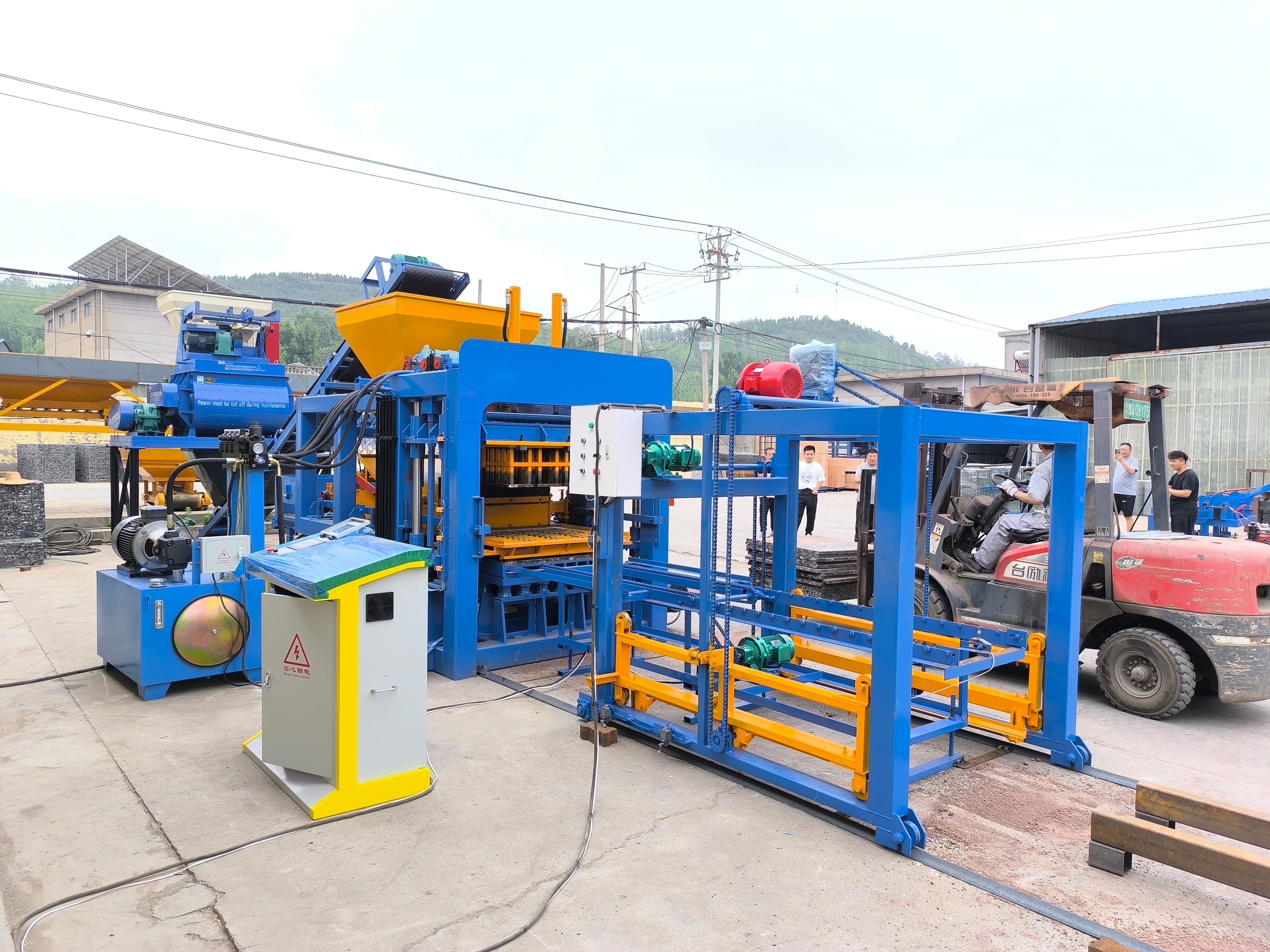
How Hydraulic Pressure Systems Impact Block Density and Consistency
The way hydraulic pressure works has a big impact on how dense blocks become and whether they hold together properly. When pressure is applied in a controlled loop system, it gets rid of those pesky air pockets inside the material and creates a much more even density distribution. Most materials reach densities above 1,800 kg per cubic meter this way, which is actually pretty important if the blocks need to support weight. Machines that run fully automatic can keep pressure levels really stable, staying within about plus or minus 2% thanks to sensors constantly checking what's going on. This means every batch comes out pretty much the same quality. The semi automatic versions aren't so good though because operators have to tweak things manually. These manual adjustments lead to density differences sometimes as high as 12%, and when that happens, the blocks just don't stand up to compression tests nearly as well as ones made with automation, often showing strength reductions around 30%.
Cycle Time, Human Intervention, and Real-Time Process Control Comparison
When it comes to brick production, automation really makes a difference in how fast things go, how consistent the output is, and controlling defects. The fully automatic hydraulic machines can knock out each cycle in just 15 to 20 seconds flat without needing anyone to touch them. These systems rely on PLC controls that automatically tweak settings when there are changes in material thickness or if the molds get slightly off track. On the other hand, semi-automatic versions still need workers to handle mold filling, start compaction, and manage ejection processes. This extra human involvement stretches cycle times to around 45 to 60 seconds and naturally increases chances for mistakes. Looking at what manufacturers report, going fully automated cuts down defects by about two thirds because adjustments happen instantly. Manual monitoring tends to lead to more rejected bricks after long work shifts though. While automatic hydraulic fly ash brick makers cost more upfront, most plants find they pay for themselves pretty quickly thanks to all the extra bricks produced and far less wasted materials over time.
Production Capacity and Labor Efficiency: Scaling Output Without Scaling Headcount
Daily Output Ranges: 12,000–15,000 vs. 3,000–5,000 Blocks and Throughput Implications
The fully automatic hydraulic block machines can produce around 12 thousand to 15 thousand blocks each day thanks to their continuous cycling process, automated batching of materials, and synchronized curing methods. On the other hand, semi automatic systems are limited because they require manual handling of molds and rely on sequential curing processes, so they typically only manage between 3 thousand and 5 thousand blocks per day. The difference in capacity really affects how long projects take to complete. For example, an order for 100 thousand blocks would be finished in just under a week with full automation, but might stretch out to more than three weeks when using semi automatic equipment. Another big advantage of automation is reduced material waste. These machines keep waste below 1 percent, whereas semi automatic systems usually see about 3 to 5 percent loss during transfers, which adds up over time.
Labor Reduction (60–70%) and Operator Skill Requirements for Each Type
Automatic systems cut down on direct labor by around 60 to 70 percent, so one person can actually watch over everything from when the raw materials go in all the way through to how the finished products get stacked, thanks to those easy to use PLC control panels. The semi automatic version still needs about three or four workers handling tasks like putting molds in place, taking them out after production, doing quick visual inspections for defects, and managing the curing process. What kind of skills are needed here? Well, operators of fully automatic machines need to know their way around technical stuff like reading pressure readings or fixing small issues that pop up on the PLC screen. But for semi automatic setups, experience matters more because someone has to spot those tiny problems with how the material is compacted during manufacturing. Even though these automatic hydraulic fly ash brick makers cost more upfront, companies find they save money eventually since there's less need for staff wages, employee training programs, and having supervisors constantly check in on operations.
Cost Analysis and ROI: Automatic Hydraulic Fly Ash Brick Making Machine Price Versus Long-Term Value
Upfront Investment: Fully vs. Semi – What's Included?
The fully automatic hydraulic fly ash brick making machines definitely come with a bigger price tag around ₹18 to 25 lakh. This cost covers all those fancy parts they include like PLC based controls, volumetric batching systems, those automated mold transfer mechanisms, plus built in curing conveyors. Then there are the semi automatic models priced between ₹6 and 10 lakh which still handle the main hydraulic compaction process and have basic molds, but just don't include things like real time diagnostics or auto feeding systems. They also lack that system level coordination that makes the full automatic ones so efficient. While these automatic machines cost more upfront, what they offer in terms of built in features actually cuts down on the need for extra equipment. Over time this can save companies anywhere from 25% to 35% on their capital expenses since they won't need to purchase as many separate pieces of machinery to get the job done properly.
Breakeven Timeline, Maintenance Cost Trends, and Total Cost of Ownership (TCO)
Most fully automatic machines usually hit the breakeven point somewhere between 18 to 24 months after installation. This happens because they produce around 12,000 blocks per day on average, create almost no waste (less than 1%), and require very little manual labor. The picture looks different for semi automatic systems though. These tend to take about 30 to 36 months before they start paying back their initial investment since they just don't crank out as many products and there's more variation in how they operate day to day. When it comes to keeping things running smoothly, automated units save money too. Maintenance expenses drop by roughly 15 to 20 percent annually because these machines come equipped with built in diagnostics, sealed hydraulic systems that stay clean longer, and smart monitoring that predicts when parts might need replacing. Looking at the big picture over five years, companies will find that fully automatic models actually cost about 22 to 28 percent less overall compared to their semi automatic counterparts when all factors are considered including what gets saved on labor, less wasted material, and components lasting much longer than expected.
Business Alignment: Matching Machine Type to Your Production Stage and Growth Roadmap
The choice between fully automatic versus semi-automatic hydraulic block machines really comes down to where a business stands right now, what they hope to achieve next, and how mature their operations already are. Small businesses just getting started or local producers aiming for around 5,000 blocks per day typically find semi-automatic options work best because they cost less upfront (about 6 to 10 lakhs) which helps keep cash flow healthy during those early days when establishing themselves matters most. For bigger players looking at production volumes around 12,000 to 15,000 blocks daily though, going fully automated becomes almost necessary if they want consistent quality across all products, avoid delays caused by manual processes, and deliver projects on time without missing deadlines.
The ability to scale operations is pretty important these days. With modular design options, companies can upgrade step by step over time instead of going all in at once. Think about things like adding those automated pallet stackers or connecting conveyor systems later on. This kind of approach works well for businesses dealing with unpredictable customer needs or testing out new market areas without breaking the bank upfront. Smart managers actually plan ahead for automation from day one, even if they start with something semi automatic. They look for equipment that will work with PLC systems down the road. Getting this right means protecting what was spent initially while making it easier to bring in newer hydraulic controls and better quality checks as technology advances.
FAQ Section
What are the main differences between fully and semi-automatic hydraulic systems?
Fully automatic systems are equipped with PLC controls and require less human intervention, making them more efficient and reliable. Semi-automatic systems rely on manual handling, which can lead to variability in product quality and longer cycle times.
How does automation affect production capacity?
Automation significantly increases production capacity, with fully automatic systems producing between 12,000 to 15,000 blocks per day compared to the 3,000 to 5,000 blocks per day from semi-automatic systems.
What are the cost implications of choosing an automatic machine?
While fully automatic machines have a higher upfront cost, they offer long-term savings through increased production efficiency, reduced material waste, and decreased labor costs, often leading to a lower total cost of ownership over time.
Why is automation advantageous for businesses planning to scale?
Automation allows businesses to scale production efficiently without significantly increasing labor costs. With advanced control systems, these machines provide consistent product quality and enable businesses to meet higher demand seamlessly.
Table of Contents
- Core Operational Differences of Hydraulic Block Making Machine: Automation Level, Control, and Compaction Quality
- Production Capacity and Labor Efficiency: Scaling Output Without Scaling Headcount
- Cost Analysis and ROI: Automatic Hydraulic Fly Ash Brick Making Machine Price Versus Long-Term Value
- Business Alignment: Matching Machine Type to Your Production Stage and Growth Roadmap
- FAQ Section