 EN
EN
How Semi-Automatic Block Making Machines Streamline Concrete Block Production
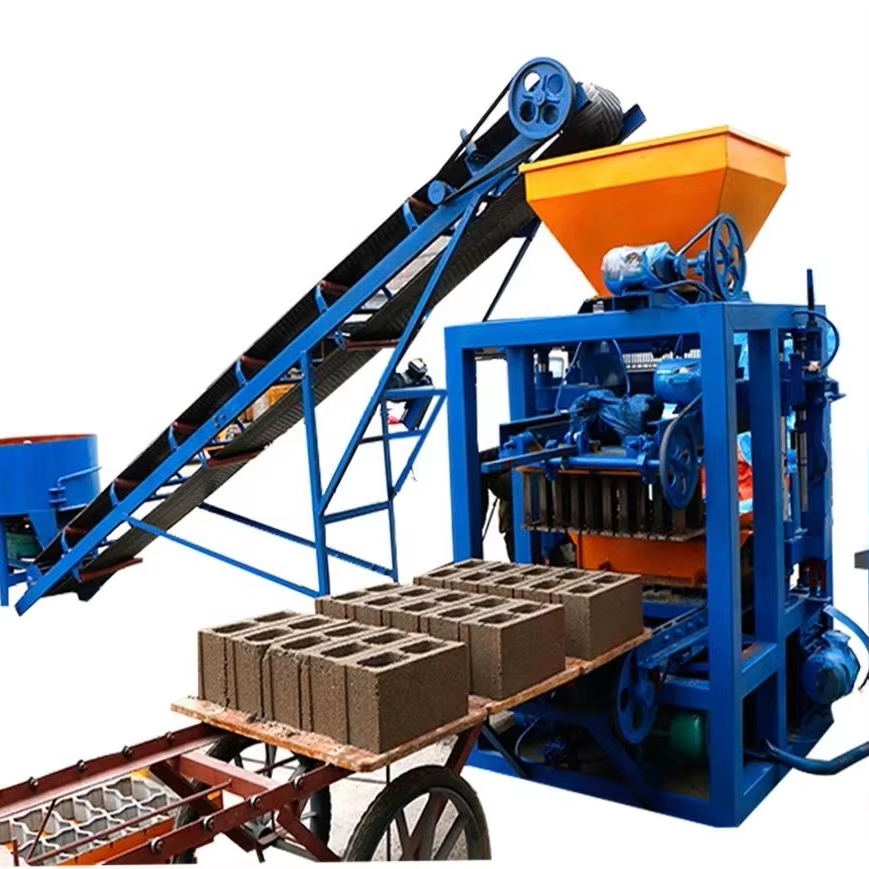
Integrated Workflow: Synchronized Mixing, Molding, and Hydraulic Compaction
Semi automatic block makers really boost productivity when they bring together mixing, shaping, and pressing all in one smooth process. Workers still need to put the ready mixed concrete into the hopper themselves, which starts the machine moving material into those specially designed molds. The hydraulic system packs everything down pretty hard usually around 2000 to 3000 pounds per square inch making sure each block has the same density, looks right, and holds up well structurally. Getting rid of all that middle step handling saves a lot of time too about 30 to maybe even 40 percent faster than doing everything by hand. Operators can tweak things on the fly if the mix isn't quite right or they need different sized blocks without getting stuck with complicated computer stuff. This means switching from one type of block to another happens quickly enough that factories can churn out thousands upon thousands throughout the day without missing a beat.
Curing Compatibility and Post-Production Handling Optimization
After compaction is complete, the standardized ejection system pushes out those freshly molded blocks right onto the curing racks where they stack up uniformly and stay stable. This setup lets them move straight into those climate controlled curing chambers without delay. The whole process keeps things from warping during that crucial first day or two when the concrete is hydrating, which saves tons of floor space in the plant. We've also got these special forklift friendly pallets now that really speed things along after production. Labor costs drop about half compared to when workers had to stack everything manually back in the day. With consistent handling methods and tight environmental controls throughout, our blocks consistently hit or even surpass those tough ASTM C90 and IS 2185 strength specs needed for actual load bearing walls and structures.
Performance Benchmarks: Power, Output, and Cycle Time vs. Fully Automatic Brick Making Machine
Real-World Specifications: 7.5–15 kW, 800–1,200 Blocks/Shift, 25–45 sec Cycle
Semi automatic systems offer solid performance that has been tested across industries. They consume between 7.5 and 15 kW of power, which is actually quite low when compared to the 20 to 30 kW needed for fully automatic brick making machines. When looking at cycle times around 25 to 45 seconds, workers can reliably churn out anywhere from 800 to 1,200 standard concrete blocks during their regular 8 hour shifts. The latest Construction Equipment Efficiency Report shows these systems beat manual production methods by about 70% in output while cutting energy usage down by roughly 40% compared to fully automated options all without affecting the quality of the blocks themselves. What really stands out though is how the hydraulic compression works its magic. It creates blocks with consistent density throughout, meaning there's significantly less wasted material than what happens with old fashioned manual tamping techniques.
Strategic Automation Balance: Where Human Oversight Enhances Quality Control
Semi automatic systems keep humans in the loop for those really important quality checks. Operators get to look at how consistent the raw materials are before they even load them, and then do some random checks while things cure in the process. These steps just aren't possible when everything is locked down in a totally automated line. Looking at quality control data from several plants, companies see around a 12 to 18 percent drop in defects when they have this kind of focused supervision. The difference shows up most明显 in custom jobs where customers want specific textures, colors, or dimensions that vary from standard products. Needing just 2 or 3 trained people per shift instead of the 6 to 8 required in full automation setups means factories can maintain good control over their processes without blowing up their budgets as they grow. Machines take care of all the heavy lifting stuff like mixing ingredients, filling molds, compacting materials, and ejecting finished parts. This leaves experienced workers free to actually check what's happening, tweak parameters for better results, and respond quickly when something goes off track during production runs.
Cost and Operational Advantages Over Fully Automatic Brick Making Machine
37% Lower CapEx — Validated by Industry Benchmarking
According to the IMEA's latest cost survey for 2023-2024, semi automatic brick makers need about 37 percent less money upfront compared to their fully automated versions. Why? Because they're built simpler really. They have fewer sensors around, no fancy robotic arms sticking out everywhere, and definitely no need for those complicated PLC controlled conveyor belts. Instead, these machines rely on good old fashioned mechanical molds that hold up well over time and are easier to fix when something goes wrong. Plus, there's less wiring involved overall since we cut back on all those extra automation connections too. This makes installation cheaper for everyone involved. Small and medium sized brick manufacturers especially benefit from this setup. Their return on investment comes quicker and they face much less financial pressure, particularly if their daily output just isn't high enough to warrant investing in full blown automation systems.
Energy Efficiency and Labor Savings: 2–3 Operators vs. 6–8 in Traditional or Fully Automatic Systems
The benefits really stack up when looking at energy consumption and workforce requirements. These systems keep power usage consistent between around 7.5 to 15 kilowatts while needing only 2 or 3 people per shift instead of the usual 6 to 8 needed for fully automated facilities. Looking at actual results from twelve medium sized block manufacturing sites across India and Southeast Asia tells the story pretty clearly annual energy costs drop by about 42 percent when switching to semi automatic setups. Plus workers spend less time on training and there's not as much hassle with maintenance issues. The machines handle all the heavy lifting stuff like squeezing materials together under pressure and pushing them out, while humans focus on feeding raw materials into the system, checking quality visually, and grabbing finished products before they cool down too much. This creates a much smoother operation overall without wasting resources or manpower.
When to Choose Semi-Automatic Over Fully Automatic Brick Making Machine
Semi automatic systems work best when what matters most is being able to adjust production, keep costs under control, and maintain quality as things grow. These kinds of machines tend to fit well with local suppliers, construction companies working on specific projects, or anyone needing around 800 to 1,200 blocks each shift. They're particularly good options in areas where upgrading infrastructure isn't feasible right now but there's still skilled labor available that can be put to use differently. What makes them stand out is their ability to handle special requests like unique textures, odd sizes, or mixtures of different materials something fully automated systems just can't do because they follow fixed programs all day long. The numbers tell part of the story too cheaper upfront investment at about 37% less than full automation, plus energy savings between 15% and 25% per thousand blocks produced. For many businesses looking to start small but plan for expansion, semi automatic equipment offers both an affordable starting point and something that will last through several growth stages. On the other hand, completely automatic brick makers still have their place mainly in situations where thousands upon thousands of identical blocks need to be made every single day without stopping for anything else.
Frequently Asked Questions
What is a semi-automatic block making machine?
A semi-automatic block making machine is a type of equipment that automates the process of concrete block production but requires manual input of materials and supervision during production.
What are the advantages of using semi-automatic machines for block production?
Semi-automatic machines streamline workflows, reduce labor costs, offer flexibility in block types and sizes, and achieve energy efficiency.
How does quality control differ between semi-automatic and fully automatic systems?
Semi-automatic systems allow human oversight to enhance quality control, resulting in fewer defects compared to fully automated lines.
Why might a business choose a semi-automatic machine over a fully automatic one?
Businesses may prefer semi-automatic machines for lower initial investment, energy savings, and the capacity to manage custom production demands with skilled labor.
Table of Contents
- How Semi-Automatic Block Making Machines Streamline Concrete Block Production
- Performance Benchmarks: Power, Output, and Cycle Time vs. Fully Automatic Brick Making Machine
- Cost and Operational Advantages Over Fully Automatic Brick Making Machine
- When to Choose Semi-Automatic Over Fully Automatic Brick Making Machine