 EN
EN
Fully Automatic Hydraulic Block Making Machine: Unmatched Production Speed and Consistency for Mega-Project Deadlines
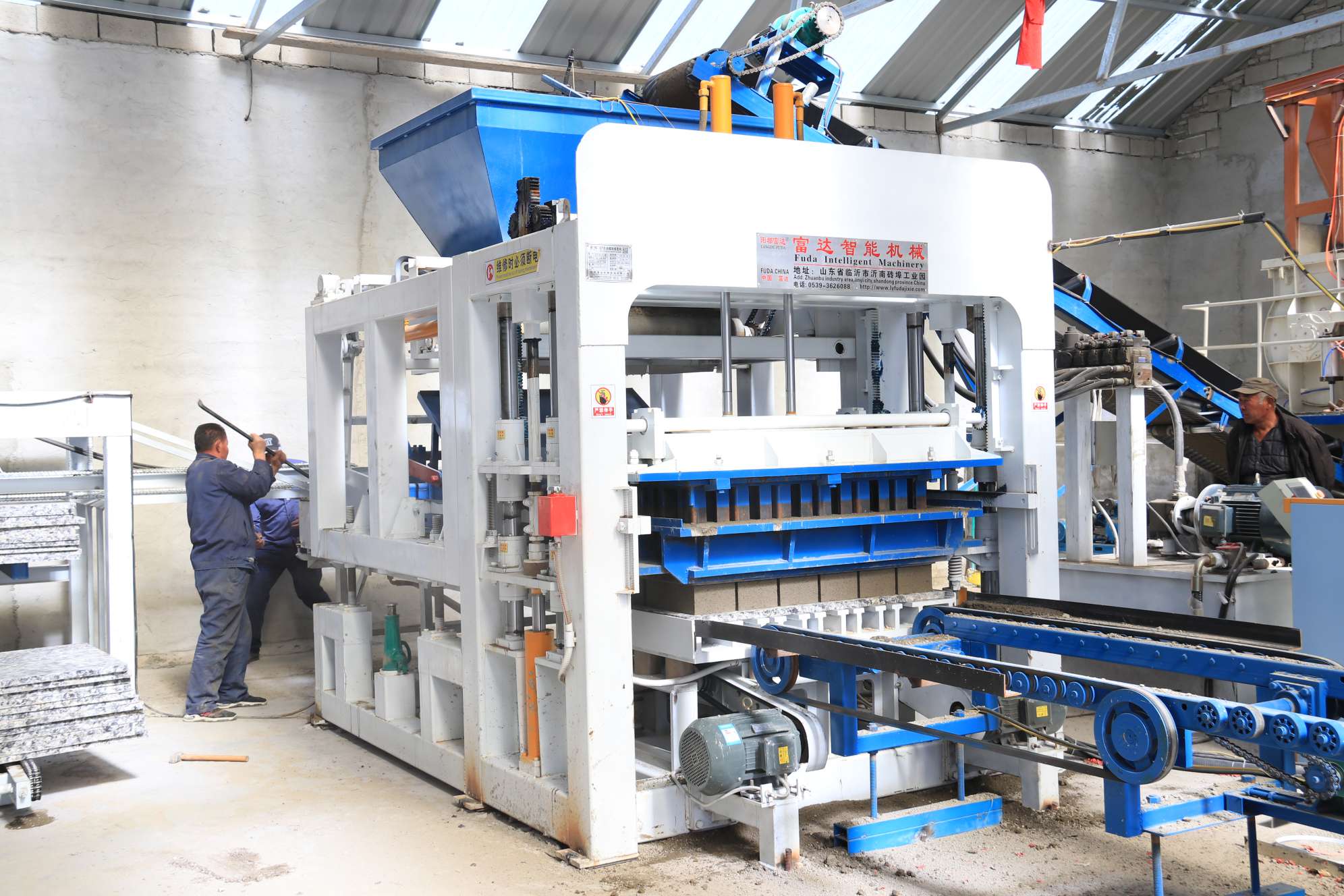
The Scalability Gap: Why Manual and Semi-Automatic Systems Fail Under High-Volume Demand
Traditional manual and semi-auto block production systems simply can't keep up when demand gets really high. Most struggle to stay above 2,000 units produced each day before quality starts dropping off. Operator fatigue is a big problem too. Research published in engineering journals indicates that mistakes go up around 37% after workers spend long hours on repetitive tasks. Then there's the issue with materials. Semi-automatic equipment needs those tedious 15 to 20 minute mold changes between different product runs. And if the raw material isn't fed consistently into the machine, rejection rates climb all the way to 12%. For large scale projects needing over 10,000 blocks daily, these problems make traditional methods completely impractical. That's where hydraulic automation comes in handy. These systems handle materials continuously and optimize production cycles smartly. The upfront cost of automatic hydraulic fly ash brick makers is definitely higher than older models, but companies find they save money in the long run since they avoid expensive overtime pay and last minute staff hires to meet deadlines.
Hydraulic Precision Engineering: How Real-Time Pressure Control Ensures Uniform Density and Strength
Automatic hydraulic block machines rely on closed loop pressure monitoring systems that keep compaction forces within about half a percent variance during each production cycle. This kind of consistency simply isn't possible with traditional mechanical setups. The heart of these machines is their PLC controllers which constantly tweak hydraulic pressure based on what's happening with the materials going through them. They can compensate when there are changes in how wet the fly ash gets or differences in aggregate sizes. What this means in practice is around 95% uniform density across all blocks produced. Compare that to older semi automatic systems that only hit between 70 and 80% uniformity. With such tight control, manufacturers can produce structural grade blocks reaching compressive strengths from 7 to 10 MPa while meeting ASTM C90 standards. These machines make microsecond adjustments to pressure settings throughout the process, which stops problems like air pockets forming inside blocks or layers separating. As an added benefit, factories report cutting down on waste by roughly 18% annually. And because they manage density so precisely, companies can actually save money on cement without sacrificing how long the blocks will last in real world conditions something no manual method can match when scaling up production.
End-to-End Automation with PLC Intelligence: Eliminating Human Variability
From Operator-Dependent Output to Predictable, 24/7 Batch Performance
In traditional block manufacturing, human elements play a major role in quality issues. Workers get tired, skills vary between staff members, and attention levels fluctuate during long shifts all these factors affect how dense, strong, and dimensionally accurate the final blocks turn out. That's where fully automatic hydraulic systems come into play. These machines with built-in PLC controls eliminate most of this inconsistency. They use real time pressure monitoring along with smart feedback mechanisms that keep the compaction force just right during every molding cycle. What does this mean? Consistent product quality whether it's morning shift or night shift, regardless of who's operating the equipment or what batch they're working on. Production stays steady at around 12k to 15k blocks each 8 hour workday without any noticeable drop off in specifications or structural integrity. When looking at the cost side of things, these automatic hydraulic fly ash brick makers pay for themselves pretty quickly. Labor expenses typically go down about 60% when switching from manual to automated processes. Material waste also decreases significantly, somewhere around 38% less compared to conventional methods. Plus there are those clever self diagnostic features that catch problems before they become serious breakdowns, so unexpected stoppages happen much less frequently. For large scale construction projects where timing matters a lot, this kind of reliable daily output makes all the difference in meeting deadlines.
Total Cost of Ownership: Evaluating the automatic hydraulic fly ash brick making machine price Against Long-Term ROI
Capital Investment vs. Lifecycle Savings: Labor, Waste, and Downtime Reduction
When looking at automatic hydraulic fly ash brick making machines, the sticker price is really just the beginning of what matters financially. The real money picture starts to take shape over about five to seven years of operation. That's when automation starts paying off big time. We've seen labor needs drop dramatically too around 60 to maybe even 70 percent. What used to take three workers can now be handled by just one person most of the time. And the hydraulic compression system? It cuts down on wasted materials significantly. Instead of losing 12 to 15 percent of materials as happens with semi-automatic machines, we're talking about waste rates closer to 3 to 5 percent. Another major plus is those built-in diagnostic features and automatic maintenance checks. These things prevent unexpected shutdowns which are actually the biggest hidden expense for traditional production setups. All these improvements usually mean companies get their initial investment back in roughly 18 to 24 months, and then keep seeing positive returns month after month.
Supply Chain Resilience: Cutting Logistics Delays Through On-Site, Just-in-Time Block Production
Manufacturing blocks right at the construction site changes how materials get handled during building projects because there's no need to wait for outside suppliers anymore. According to industry reports, big construction sites that adopt this approach typically see about a third fewer delays in getting materials delivered. With blocks made exactly when they're needed for each stage of construction, there's no stacking up extra inventory, no problems caused by bad weather stopping trucks, and definitely fewer quality issues since everything comes from one source instead of multiple vendors. Adjustments happen as things progress so workers always have what they need at the right moment. The whole system speeds up construction schedules significantly while also reducing fuel costs and lowering carbon emissions from all those delivery vehicles that would otherwise be running around town.
Proven Field Performance: Real-World Validation on Large-Scale Infrastructure Sites
Case Study: Linyi Yingcheng's Fully Automatic Hollow Block Machine — 12,000–15,000 Blocks per Shift
A big infrastructure project recently saw impressive results when they put Linyi Yingcheng's fully automatic hydraulic hollow block machine to work. The machine consistently produced between 12,000 and 15,000 units during each 8 hour shift thanks to its smart hydraulic pressure adjustments and closed loop PLC controls. What really stands out is that unlike older semi automatic machines which often produce blocks with varying densities, this system eliminated those inconsistencies completely. Every single unit came out with compressive strength over 8 MPa, something that would be impossible with traditional methods. Labor costs plummeted by around 60% compared to what they paid for manual operations, yet the production line kept running smoothly day after day without any issues. Material waste stayed under 2%, and there was no need to bring in outside suppliers at all. Project managers noticed something else too their teams finished critical construction phases about 37% faster simply because blocks were always available whenever needed. Looking at this real world example shows just how investing in these automatic hydraulic fly ash brick making machines pays off handsomely in terms of speedier projects, less wasted materials, and solid returns even on the toughest construction sites.
FAQ
What are the advantages of hydraulic block machines over traditional manual systems?
Hydraulic block machines offer unmatched production speed, consistency, and long-term cost savings. They reduce labor expenses, minimize material waste, and eliminate human variability in production quality.
How do hydraulic block machines ensure uniform block density and strength?
These machines use closed loop pressure monitoring systems and PLC controllers to maintain consistent pressure, ensuring uniform density and strength of blocks.
What cost benefits do automatic hydraulic machines provide?
Automatic hydraulic machines lead to a reduction in labor costs by up to 70%, reduce material waste significantly, and the initial investment typically pays off in about 18 to 24 months.
What impact do on-site block manufacturing machines have on construction schedules?
On-site block manufacturing eliminates delivery delays from external suppliers, speeds up construction schedules, and reduces logistics costs and environmental impact from transportation.
Table of Contents
-
Fully Automatic Hydraulic Block Making Machine: Unmatched Production Speed and Consistency for Mega-Project Deadlines
- The Scalability Gap: Why Manual and Semi-Automatic Systems Fail Under High-Volume Demand
- Hydraulic Precision Engineering: How Real-Time Pressure Control Ensures Uniform Density and Strength
- End-to-End Automation with PLC Intelligence: Eliminating Human Variability
- Total Cost of Ownership: Evaluating the automatic hydraulic fly ash brick making machine price Against Long-Term ROI
- Proven Field Performance: Real-World Validation on Large-Scale Infrastructure Sites
- FAQ