 EN
EN
Core Technology Drivers of Automatic Hydraulic Fly Ash Brick Making Machine Price
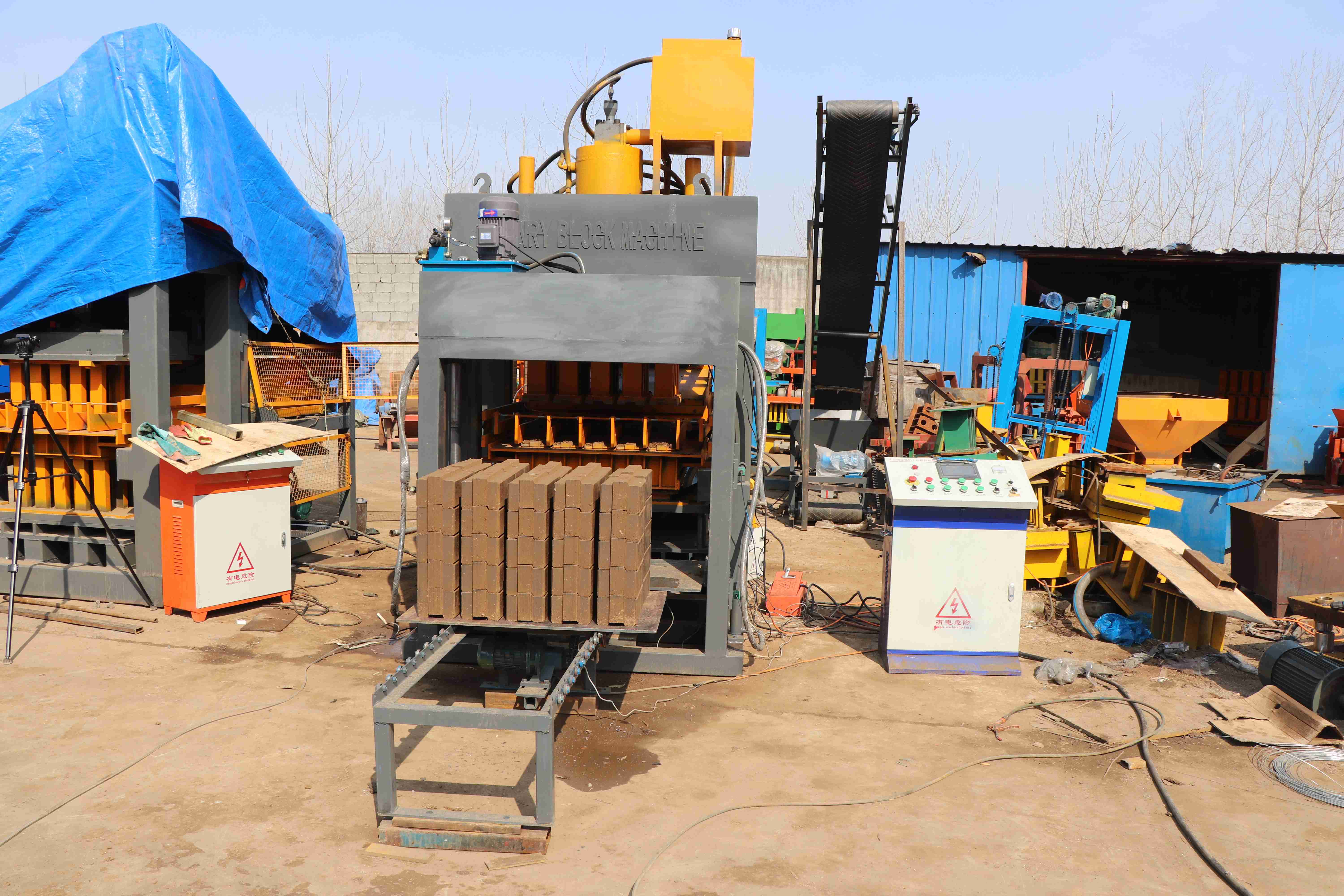
Hydraulic System Specifications: Pump Grade, Pressure Stability, and Energy Recovery Efficiency
The industrial strength hydraulic pumps can pack around 35 percent more force into bricks than regular models, which means denser and tougher end products. When pressure stays stable within about plus or minus 2 percent, there's much less chance of air pockets forming or cracks developing while compressing materials. These machines also come equipped with special energy recovery features that grab leftover kinetic energy when cylinders retract, cutting down on power needs by roughly 25 to 30 percent according to actual field testing. Sure, all these high precision parts do push the initial price tag up between 15 and 20 percent, but most operations find themselves saving well over twelve thousand dollars in just three years thanks to cheaper electricity bills and less wasted raw material. Plus, the heavy duty seals and those fancy corrosion fighting metals last at least eight thousand extra production hours before needing replacement, giving manufacturers a serious edge over cheaper options on the market.
PLC Architecture and Sensor Integration: Brand-Tier Impact on Long-Term Maintenance Costs
Programmable Logic Controllers, or PLCs for short, handle the timing of compaction cycles and manage how materials get fed into the system with pretty much spot-on accuracy down to about half a tenth of a second. The industrial grade ones can run through well over twenty thousand commands every single second, which is roughly four times what basic models manage. This speed makes all the difference when adjusting viscosity on the fly for different batches of fly ash that come in varying consistency. These systems also work with built-in IoT sensors that keep an eye on things like hydraulic temps, check if vibrations stay within safe limits, and make sure molds are properly aligned. When something looks off, they send out early warning signals so maintenance crews can jump in before anything breaks down completely. Plants report around 60 percent fewer unexpected shutdowns and save somewhere around seven grand each year just on spare parts alone. Sure, going for top shelf automation does push up front costs by about ten to fifteen percent compared to cheaper alternatives, but factories find that the money saved later through remote troubleshooting capabilities and automatic calibration features often pays back twice what was spent initially on service calls.
Material-Specific Engineering: Why Fly Ash Compatibility Directly Affects Pricing
The high alkaline nature of fly ash combined with its abrasive silica really takes a toll on regular machine parts, which means manufacturers have to put extra thought into their designs when building these automatic hydraulic fly ash brick machines. And this special engineering definitely shows up in the final price tag. Standard concrete mixes just don't compare because fly ash formulations often include around 60% actual ash content. That's why factories need tougher materials throughout their systems plus smart control adjustments if they want consistent product quality while keeping their machinery running for years instead of months.
Certified Mold Design & Corrosion-Resistant Components for High-Ash-Content Batches
Regular molds tend to break down fast when exposed to high ash levels because of both chemical reactions and physical wear from constant use. The better quality certified equipment comes with special steel molds containing chromium alloys that have hardness ratings exceeding 60 HRC. These are also coated with ceramics which cuts down on wear by around forty percent. What this means is fewer problems with surface pits and shape changes in the final product, plus longer lasting equipment overall. Getting certified requires putting these molds through extensive testing for over ten thousand cycles. That explains why certified brick making systems typically cost between fifteen to twenty five percent more than standard models on the market.
Moisture-Adaptive Compaction Algorithms: How AI Optimization Adds Premium Value
Traditional fixed pressure systems have real trouble handling fly ash when it comes to moisture content, which is why many standard machines end up rejecting between 12 and 18 percent of material during processing. Newer equipment incorporates smart sensors powered by artificial intelligence that track moisture levels as they change moment to moment, getting readings accurate to within half a percentage point either way. What makes these systems stand out is how they constantly tweak the hydraulic pressure throughout all eight different compaction steps, maintaining just the right density even when batches vary from one another. The results speak for themselves too. Plants report cutting down on wasted material by around thirty percent while saving twenty two percent on energy consumption. Most companies see their investment pay off within eighteen months thanks to better yields and reduced day to day expenses.
Operational Realities That Inflate or Reduce Total Cost of Ownership
Beyond the initial automatic hydraulic fly ash brick making machine price, operational factors critically shape total cost of ownership. Unplanned downtime alone can cost manufacturers over $260,000 annually (2024 industry analysis), underscoring how implementation quality—not just hardware specs—determines long-term value.
Auto-Calibration Utilization Gap: Training, Interface Design, and ROI Delay
Auto-calibration systems promise substantial savings but often deliver less than 40% of potential ROI due to poor adoption. Complex interfaces and insufficient operator training lead to rapid reversion to manual adjustments. This underutilization results in:
- 15–25% higher labor costs from extended setup times
- Increased material waste from inconsistent compression
- Mold replacement 30% sooner due to premature wear
Conversely, streamlined HMIs and structured training programs reduce calibration errors by up to 70%. Manufacturers investing in this operational ecosystem achieve full ROI in 12–18 months—versus more than three years for those overlooking it. The hidden cost isn’t the technology—it’s the capability gap between specification and execution.
FAQ
What are the main factors affecting the price of automatic hydraulic fly ash brick making machines?
The main factors include hydraulic system specifications, PLC architecture, material-specific engineering, certified mold design, and moisture-adaptive compaction algorithms.
How does the hydraulic system impact the machine's efficiency?
The hydraulic system ensures denser and tougher bricks by maintaining stable pressure and recovering energy, which reduces power needs and increases longevity.
What role does AI play in these machines?
AI optimizes the compaction process by adjusting the hydraulic pressure based on real-time moisture content, leading to less material waste and improved energy consumption.
Why is operator training crucial for maximizing ROI?
Proper training reduces errors in auto-calibration systems, saving labor costs and ensuring consistent production quality, which shortens the ROI period.