 EN
EN

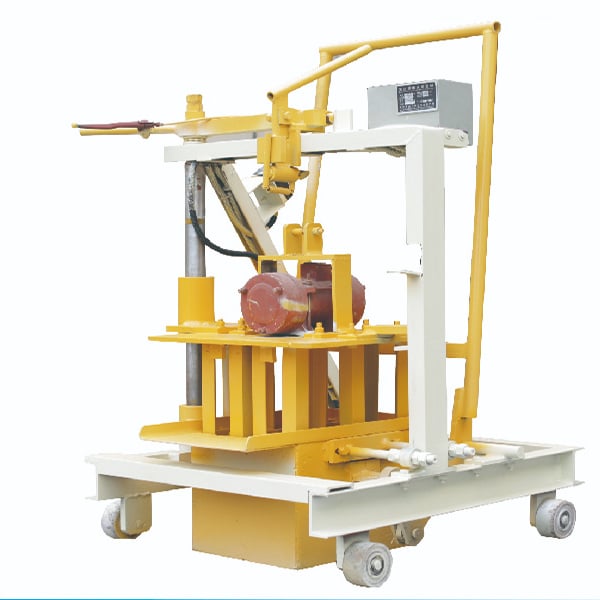
What Is a Mobile Block Making Machine and How Does It Work?
Definition and Core Components of a Mobile Block Making Machine
Mobile block making machines are basically portable factories on wheels that churn out concrete blocks right where they're needed at construction sites. Inside these compact units sit several essential parts working together: there's a mixing chamber where materials get combined, molds shape the blocks, hydraulic presses do the heavy lifting, vibration motors help settle the mix, and an automated control panel keeps everything running smoothly. What makes them stand out is their mobility factor. Most models come equipped with sturdy wheels or can be mounted on trailers, so operators can move them around easily without needing permanent installations. The latest versions rely on powerful hydraulic systems capable of squeezing materials at pressures reaching around 3,000 psi. This kind of force ensures each block gets properly compacted throughout, resulting in consistent density across all products. Getting this right matters a lot because uneven blocks can compromise the strength of any structure they become part of.
Machine Functionality and Working Process: Hydraulic System, Vibration Motor, and Automation
The production process follows four main stages:
- Mixing: Cement, aggregates, and water are blended in precise ratios within the onboard mixer.
- Molding: The mixture is transferred into molds where hydraulic pressure and high-frequency vibration (50–70 Hz) remove air voids and compact the material.
- Demolding: Once formed, blocks are automatically ejected with minimal handling.
- Curing: Fresh blocks are set aside to cure under controlled conditions.
Advanced models integrate programmable logic controllers (PLCs) to automate cycle timing and optimize vibration frequency, reducing manual labor by 60–80% compared to semi-automatic setups.
The Role of Curing in On-Site Concrete Block Production
Getting proper curing done right matters a lot when it comes to developing that full compressive strength we need from concrete. The whole process takes place as the cement continues hydrating over anywhere between seven to twenty eight days. When working out in those hard to reach areas, crews often rely on special covers that hold in moisture or sometimes even set up temporary climate controlled spaces to keep things consistent. Studies show that when done correctly, blocks actually gain around thirty to fifty percent more strength overall, which helps them pass those important ASTM C90 tests requiring at least 1200 pounds per square inch. If contractors skip this step or rush through it, problems start showing up pretty quickly too. Cracks form easier and the structures just don't hold up under weight like they should, particularly bad news if these buildings have to withstand tough weather conditions year after year.
Key Advantages of Mobile Block Making Machines for On-Site Construction
Portability and On-Site Use Reduce Logistics Costs
By producing blocks on-site, mobile machines eliminate long-distance transportation of pre-cast units, cutting fuel and labor costs by up to 35%. Their compact design allows relocation between sites in under two hours, streamlining workflow across multiple project zones.
Enabling Block Production in Remote or Low-Infrastructure Areas
These units operate independently of centralized factories, making them ideal for rural or underserved regions. They utilize locally sourced materials like sand and gravel, minimizing supply chain dependencies. A 2023 World Bank study found that portable block systems alleviated material shortages in 78% of infrastructure projects across Sub-Saharan Africa.
Cost Efficiency Compared to Stationary Block Machines
Mobile units require 60–80% lower initial investment than stationary models while delivering comparable quality. With energy consumption averaging 15–20 kWh per day and flexible output scaling, they reduce both capital and operational expenses.
| Factor | Mobile Machines | Stationary Machines |
|---|---|---|
| Initial Cost | $2,500 – $10,000 | $15,000 – $50,000+ |
| Daily Output (8 Hours) | 100 – 4,000 blocks | 500 – 12,000 blocks |
| Energy Use | 15-20 kWh | 30-100 kWh |
Ideal for Small-Scale Projects and Rapid Deployment
Setup takes less than three hours, allowing immediate production upon site arrival. This rapid deployment suits urgent builds such as disaster relief housing, small commercial structures, and repair work requiring fewer than 10,000 blocks.
Production Capacity, Block Types, and Quality Standards
Understanding the Output Capacity of Mobile Block Making Machines
Mobile machines typically produce 500–1,000 blocks per hour, with cycle times yielding 2–16 blocks per mold. Daily outputs range from 1,200 to 4,800 blocks, sufficient for mid-sized developments. Semi-automatic models balance cost and efficiency, while fully automated versions support time-sensitive applications like road paving or affordable housing programs.
Types of Blocks Produced: Hollow, Solid, Pavers, Curbs, and Paving Stones
These machines fabricate various block types to suit functional and design needs:
- Hollow blocks (40–50% void space) offer lightweight wall construction with strong load distribution.
- Solid blocks deliver high compressive resistance (≥7 MPa), ideal for foundations and load-bearing walls.
- Interlocking pavers (200–300 mm thick) create permeable surfaces for driveways and walkways.
- Curbs and paving stones meet tight dimensional tolerances (±1% variance), ensuring consistency in municipal installations.
Assessing Block Quality: Durability and Structural Integrity
Quality depends on adherence to key performance metrics:
| Metric | Standard | Target Value |
|---|---|---|
| Compressive strength | ASTM C140 | ≥7 MPa (non-load bearing) |
| Water absorption | ASTM C67 | ±12% (hollow blocks) |
| Density | EN 771-3 | ≥1,500 kg/m³ |
Units equipped with vibration motors (≥8,000 RPM) and hydraulic pressure (≥10 MPa) consistently achieve these benchmarks. Post-production curing for 72 hours at 70% humidity further enhances durability, particularly in extreme climates.
Real-World Applications and Case Study Examples
On-Site Block Production in Rural and Underserved Regions
Mobile block production really takes off where transportation systems are struggling. According to that recent World Bank study from 2023, local block making cut down transportation expenses by almost a third in those remote building sites across rural regions. When construction crews can produce blocks right at the location, they don't have to wait around for materials stuck on bad roads or face the headaches of unpredictable supply chains. This approach has become absolutely essential for communities living outside main grid infrastructure and especially after natural disasters when regular construction just isn't feasible.
Use in Small Businesses and Construction Sites for Fast Turnaround
When small contractors start making their own blocks instead of relying on outside suppliers, they actually become more independent in their operations. A study published in Construction Technology Today back in 2022 found something interesting about this trend. Contractors who invested in those mobile block-making units managed to finish projects 18 to 25 days faster when they needed around 5,000 to 10,000 blocks total. What really makes these systems valuable is how flexible they are during construction. If the plans change halfway through, workers can just switch from making hollow blocks to paving stones without waiting weeks for new materials. This kind of adaptability cuts down delays caused by ordering issues and lets construction teams plan their work much more efficiently as things progress on site.
Case Study: Implementation by a Leading Manufacturer
In 2023, a major construction equipment provider deployed mobile block machines across 14 decentralized sites. Using vibration-compacted molding and accelerated curing protocols, they completed 1,200 housing units within eight months. The approach cut idle labor hours by 40% and minimized weather-related downtime, proving effective for large-scale, geographically dispersed operations.
Operational Challenges and Limitations of Mobile Units
Limitations in High-Volume Production Environments
While versatile, mobile units are not suited for industrial-scale output. Most generate 800–1,200 blocks daily—far below the 5,000+ capacity of stationary plants. Additionally, limited access to high-voltage power in remote areas can reduce vibration motor efficiency by up to 18%, affecting compaction quality and extending curing periods.
Maintenance and Downtime Risks in Remote Locations
When machines work under tough conditions, parts like hydraulic seals and vibration components tend to wear out faster than normal. According to some recent industry findings from last year, folks working in remote areas often experience around 40-45% more downtime because getting replacement parts takes forever and there aren't enough skilled technicians around. Take replacing a broken compression plate for example it can sometimes take anywhere between 10 to maybe even 15 days in places like rural Africa compared to just about two days in city locations where everything is readily available. Sticking closely to what manufacturers suggest for regular maintenance actually cuts down unexpected breakdowns by roughly 30% according to studies looking at how reliable different types of equipment really are when properly maintained.
Balancing Portability with Production Efficiency
When it comes to mobility, bigger isn't always better but there's definitely tradeoffs involved. The smaller molds available today max out around 600 by 400 mm compared to those massive fixed units that go up to 1200 by 800 mm. This size difference naturally limits what kind of pavers can be produced. And then there's the frame weight issue too light frames just don't vibrate as intensely maybe somewhere between 15 to 20 percent less than heavier models. That reduced vibration might affect how consistent the final product turns out structurally speaking. A few companies have tried working around these limitations through modular design approaches. Still worth noting though that when retrofitting equipment in the field, projects tend to take longer getting done about an extra week or two depending on circumstances.
Frequently Asked Questions
What materials can a mobile block making machine use?
Mobile block making machines can use a variety of materials such as cement, aggregates, sand, and gravel, which are often sourced locally to reduce supply chain dependencies.
How does a mobile block making machine differ from a stationary machine?
Mobile block making machines offer versatility and portability as they can be easily moved to the job site, reducing logistics costs and time. In contrast, stationary machines are permanently installed and cater to large-scale production.
Are mobile block making machines suitable for all types of projects?
While they are ideal for small to mid-sized projects, especially in remote areas or for urgent construction needs, they may not meet the demands of high-volume, industrial-scale production typically handled by stationary plants.
What are the common challenges in operating mobile block making machines?
Challenges include limited production capacity, potential equipment downtime in remote locations, and maintaining balance between portability and production efficiency.
How can contractors ensure the quality of blocks produced on-site?
Contractors should ensure adherence to standards for compressive strength, water absorption, and density. Proper curing and maintenance of the machine also play a key role in achieving high-quality blocks.
Table of Contents
- What Is a Mobile Block Making Machine and How Does It Work?
- Key Advantages of Mobile Block Making Machines for On-Site Construction
- Production Capacity, Block Types, and Quality Standards
- Real-World Applications and Case Study Examples
- Operational Challenges and Limitations of Mobile Units
-
Frequently Asked Questions
- What materials can a mobile block making machine use?
- How does a mobile block making machine differ from a stationary machine?
- Are mobile block making machines suitable for all types of projects?
- What are the common challenges in operating mobile block making machines?
- How can contractors ensure the quality of blocks produced on-site?