 EN
EN
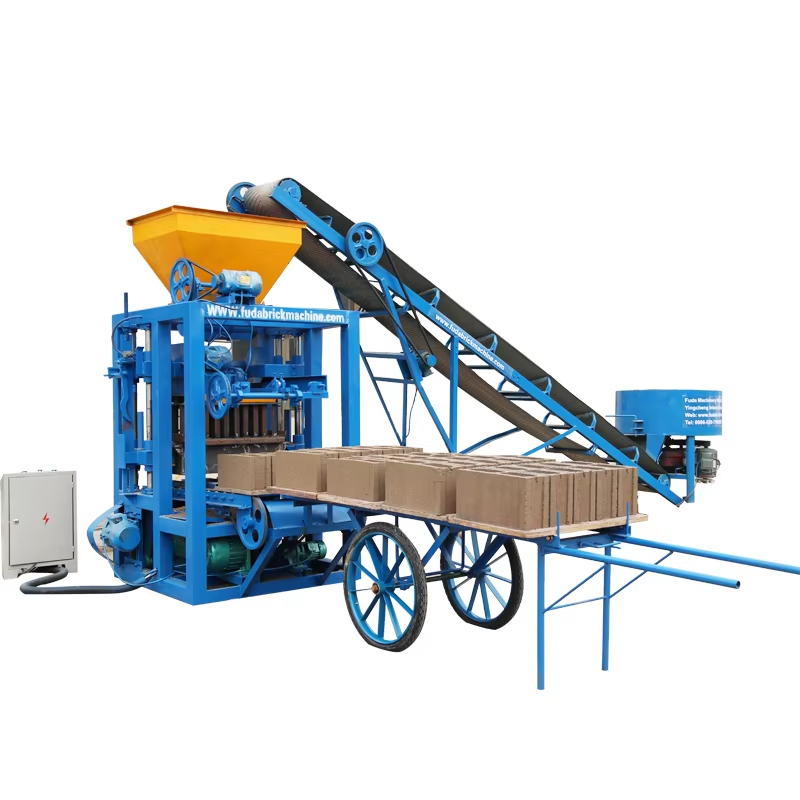
Assess Production Requirements & Operational Constraints Before Choosing a Semi Automatic Block Making Machine
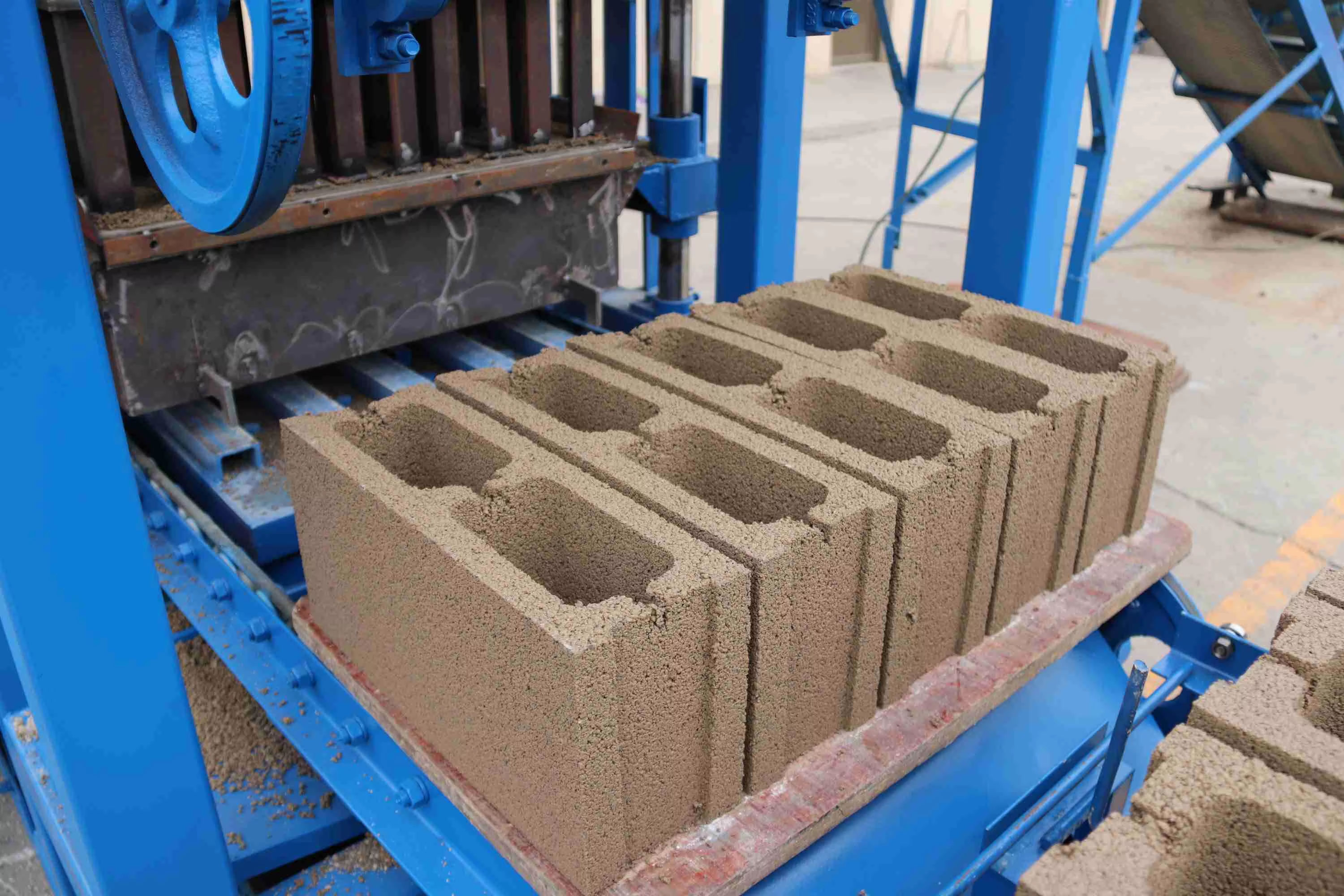
Matching semi automatic block making machine capacity to your monthly output goals
Getting the production capacity of a semi automatic block making machine to match monthly goals is essential if we want to avoid expensive problems when machines are either sitting idle or pushed too hard. The basic math works like this figure out what kind of output is needed first. Take the total number of blocks demanded in a year and split it between the months the factory actually runs, then throw in about 20 to 25 extra percent just in case things change unexpectedly. Let's say someone wants around 100 thousand blocks every month while working regular 8 hour days. That means the machinery needs to be able to crank out somewhere between 400 and 450 blocks per hour at minimum. There are several factors that really impact how well this whole system works though, including things like...
- Cycle time gaps: Mold changes and material loading reduce effective output by 15–20%
- Maintenance impact: Planned downtime decreases monthly capacity by ~8% (NetStock 2023)
- Scalability needs: Choose machines supporting up to 30% output expansion without full replacement
Undersized equipment strains labor and delays orders; oversized units increase energy waste by 18–22%. Target 85–90% utilization during peak periods for optimal resource efficiency.
Evaluating space, power infrastructure, and labor availability for seamless integration
Three operational constraints directly determine deployment success:
- Spatial footprint: Standard machines require a 6m × 4m floor area plus 3m clearance zones. Confirm ceiling height accommodates vertical material handling systems.
- Power specifications: Most units need a stable 380V three-phase supply with 25–35kW consumption. Voltage instability exceeding ±5% causes 12–15% production rejects.
- Labor allocation: Each shift requires two trained operators—factor in regional workforce availability and training timelines.
Evaluate Core Technical Capabilities of the Semi Automatic Block Making Machine
Mold versatility and production speed: Supporting diverse block types and project timelines
Semi automatic block makers strike a good balance between being flexible enough to switch molds quickly and still getting decent production going. These machines can change from making hollow blocks to pavers or interlocking bricks all in one production run without much hassle. The cycle time is usually around 18 to 25 seconds for each set, which means most days they put out somewhere between 4,000 and 12,000 units total. That kind of output works well for medium sized jobs without completely swamping small operations that might not need such high volumes. When it comes time to swap molds, operators only spend about 15 minutes on average doing so. This saves what used to be several hours worth of manual setup work and lets manufacturers respond faster when there are special requests from architects or just regular construction needs that come up unexpectedly during a project.
Material compatibility and consistency control for high-strength concrete blocks
The combination of advanced vibration techniques along with hydraulic compaction creates products with very consistent density and dimensions that stay within about 1mm of specifications. Most importantly, these methods produce compressive strengths regularly exceeding 7 MPa, which is exactly what's needed for structural applications. Modern systems can handle aggregates as large as 10mm across batches without compromising quality from one production run to the next. What really stands out though are the built-in moisture sensors found in today's hopper designs. These smart sensors continuously tweak the water to cement ratio during mixing, something that just isn't possible when relying on manual adjustments. The result? Far fewer variations in final product strength. According to recent data from the masonry industry in 2023, manufacturers using these automated systems report around a 22% reduction in wasted materials compared to traditional methods. That kind of efficiency makes a big difference over time.
Analyze Total Cost of Ownership and ROI Potential
Upfront investment vs. long-term savings in labor and energy efficiency
The upfront investment might seem steep at first glance, but when companies think about long term benefits instead of just what's on the price tag, things look different. Semi automatic equipment cuts down on workforce needs somewhere around 30 to maybe even 50 percent because workers don't have to handle as many repetitive tasks anymore. Plus, newer models are built with energy efficiency in mind, so they actually consume about twenty percent less electricity compared to older versions sitting in warehouses. When manufacturers run those total cost of ownership numbers, they typically find their money comes back within three to five years. This happens mainly because there's less need for staff hours and each block produced eats up fewer kilowatt hours. What does this mean for businesses? Well, instead of constantly pouring cash into patchwork solutions that aren't working well, they can redirect funds toward expanding their production lines or investing in better quality assurance measures that really make a difference in customer satisfaction.
Durability, warranty terms, and service support impact on operational lifetime value
Semi automatic industrial systems generally last between 10 to maybe even 15 years if kept well maintained, which obviously stretches out how long the investment pays off. When shopping around, look closely at companies that provide solid warranty coverage for those critical components like hydraulic systems and control panels for at least three full years. This helps cut down on unexpected repair bills that often eat up somewhere around 15 to 20 percent of what gets spent each year on maintenance. Technical support matters just as much though. Make sure there are clear records showing technicians respond within 24 hours or less when problems arise. Also check whether spare parts are readily available in nearby locations. Factory shutdowns due to equipment failure can drain anywhere from five hundred dollars up to two thousand bucks every single day in lost output alone.
Prioritize User-Friendly Operation and Reliable After-Sales Support
When choosing a semi automatic block making machine, don't just look at the specs sheet. The ease of operation and reliable after-sales support really impact how productive the equipment will be over time. Machines with simple controls mean operators can get up to speed quickly without weeks of training. Fewer mistakes happen when workers aren't struggling with complicated interfaces, which keeps production moving even when staff changes frequently. Companies report saving money on labor costs this way while maintaining better product consistency across shifts. Some manufacturers actually see their defect rates drop by 30% once they switch to machines that are easier to operate day to day.
Equally critical is evaluating after-sales service structures: suppliers offering comprehensive warranties, readily available spare parts, and rapid technical response protect against costly interruptions. Industry data shows businesses prioritizing proactive support achieve 30% higher customer loyalty (LinkedIn 2023). Essential elements include:
- Preventive maintenance programs, extending machine lifespan and avoiding unexpected failures
- On-demand troubleshooting via phone, video, or onsite assistance
- Clear, accessible documentation for routine adjustments and minor repairs
A robust support framework transforms machinery from a capital expense into a resilient, high-availability production asset—safeguarding ROI through continuity and confidence.
FAQ
1. How can I determine the production capacity needed for my semi automatic block making machine?
First, determine your annual block production requirement and evenly distribute it over the operational months. Include a buffer of 20-25% for unforeseen changes. Calculate the hourly rate needed by dividing monthly output by working hours.
2. What are the main operational constraints of setting up a semi automatic block making machine?
Key constraints include spatial footprint, power infrastructure, and labor availability. Ensure a sufficient area for machine installation, a stable power supply, and adequately trained operators.
3. Why is mold versatility important in semi automatic block making machines?
Mold versatility allows for the production of different block types, catering to diverse construction demands, and reduces the time required for mold changes, increasing operational efficiency.
4. How does advanced machinery improve concrete block quality?
Advanced vibration and hydraulic compaction techniques ensure consistent density and meet compressive strength requirements. Automated adjustments in water-cement ratios reduce waste and maintain quality consistency.
5. What impacts the total cost of ownership for these machines?
Initial investment, energy efficiency, maintenance costs, and the availability of warranty and technical support all contribute to the total cost of ownership and operational lifetime value.
Table of Contents
- Evaluate Core Technical Capabilities of the Semi Automatic Block Making Machine
- Analyze Total Cost of Ownership and ROI Potential
- Prioritize User-Friendly Operation and Reliable After-Sales Support
-
FAQ
- 1. How can I determine the production capacity needed for my semi automatic block making machine?
- 2. What are the main operational constraints of setting up a semi automatic block making machine?
- 3. Why is mold versatility important in semi automatic block making machines?
- 4. How does advanced machinery improve concrete block quality?
- 5. What impacts the total cost of ownership for these machines?