 EN
EN
Cost Efficiency: Why Semi Automatic Block Making Machines Are the Smart Investment for Small Factories
Lower Upfront Cost and Faster ROI vs. Fully Automatic Systems
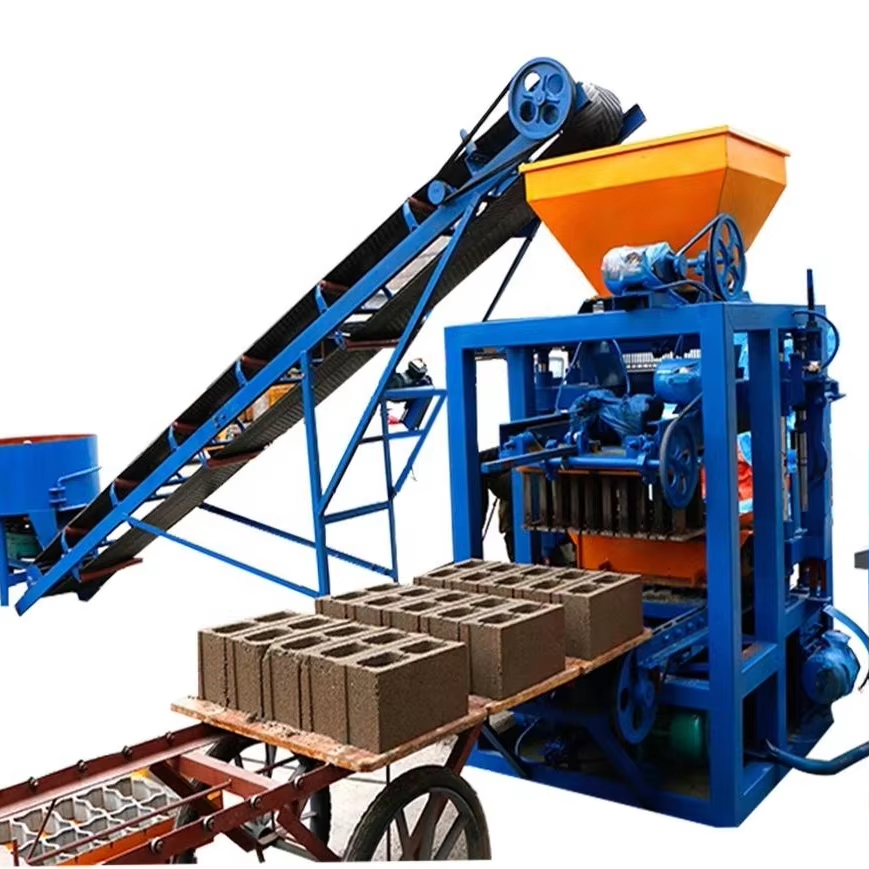
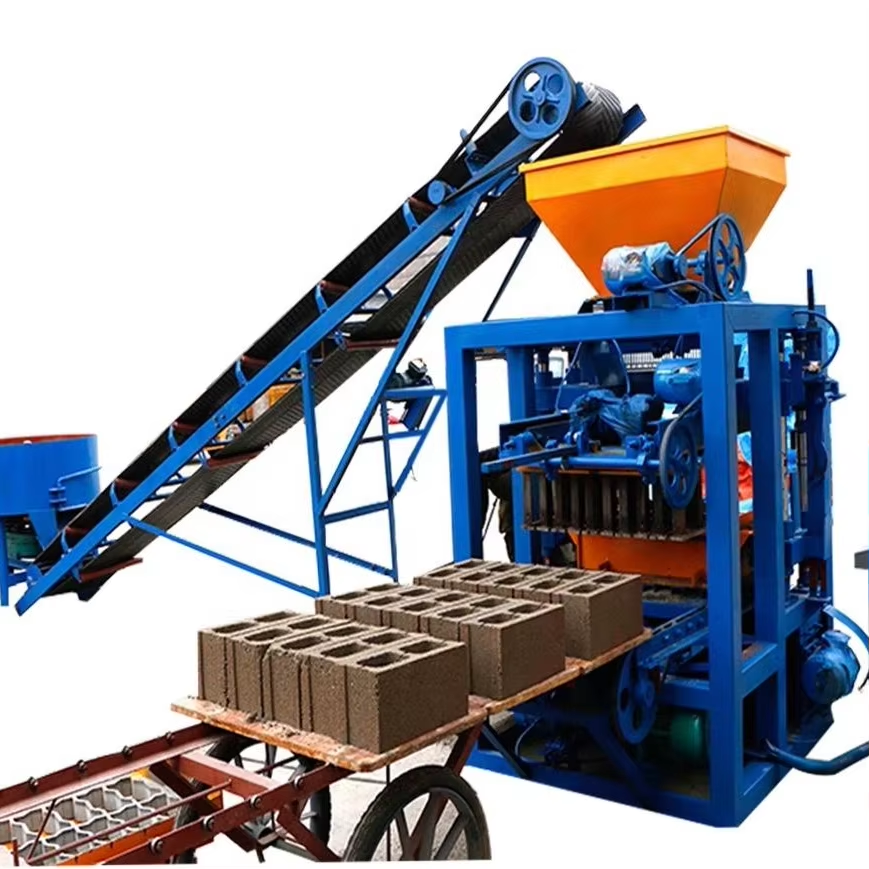
The price range for semi automatic block makers usually sits between 18 thousand and 35 thousand dollars, which is around 35 to 50 percent cheaper than full automation options that start at 55k and go well over 120k. The difference comes down to simpler automation features, something that makes these machines affordable for smaller manufacturing setups with tighter budgets. Looking at what's happening in the industry, most small scale producers see their money back within 12 to 18 months when they invest in these mid range machines, whereas top end fully automated systems take three years or more before breaking even. Another big plus is how these machines are built with modularity in mind. Factories can upgrade piece by piece as their output grows without having to spend huge amounts all at once on equipment they might not need right away.
Reduced Labor Dependency Without Compromising Consistency or Output Quality
Machines like these can slash labor requirements anywhere from 30 to 50 percent compared to doing everything by hand, all while producing blocks that are consistently dense and accurately sized. Workers still need to load materials into the system and take out finished blocks when ready, but the actual shaping happens through hydraulic vibrations and pressure that maintain quality throughout production runs. Top companies in the industry have seen their defect rates drop under 2 percent, which is pretty much on par with what fully automated lines achieve. The real benefit here? Lower staffing costs without compromising product quality, something that makes a big difference for businesses operating in areas where wages aren't sky high but still represent a significant expense.
Operational Simplicity: Easy Setup, Minimal Training, and Reliable Daily Use
Intuitive Controls and Plug-and-Play Deployment in Limited-Space Facilities
Semi automatic machines come with simple control panels and tactile interfaces that are meant to be easy on the eyes and hands rather than complicated gadgets. These machines work great in spaces smaller than 500 square feet, which makes them really good fit for those tight quarters where small factories often operate. Most operators get comfortable with the main tasks after about three to five days of hands on experience, which saves companies around half the money they would spend training someone for fully automated systems. The color coded parts and error proof designs help reduce stoppages, so even folks who aren't tech experts can keep producing quality work right from the start without much hassle.
Flexible Mold Compatibility for Diverse Block Types (Solid, Hollow, Paving)
Rapid-swap mold technology enables transitions between block formats in under 15 minutes. Standardized clamping systems accommodate:
- Structural blocks (200x100x60mm)
- Hollow bricks with 55–60% void ratios
- Interlocking pavers (60–80mm thickness)
The hydraulic compression system auto-adjusts pressure (6–10 MPa) when detecting mold changes—ensuring uniform density across all types. With compatibility spanning 30+ configurations, small factories can pivot daily between load-bearing walls, infill masonry, and decorative landscaping projects—maximizing equipment utilization without investing in multiple dedicated machines.
Right-Sized Production Capacity: Matching Semi Automatic Block Making Machine Output to Small-Factory Demand (2,000–3,500 Bricks/Day)
When small factory equipment actually keeps pace with what customers need in practice rather than just hitting paper numbers, things work better. Factories that have too much capacity end up wasting money and getting poor returns on investment. On the flip side, not enough capacity means workers get stretched thin and business can't grow properly. Most small brick makers find semi automatic machines produce around 2000 to 3500 bricks daily. This production level handles regular local building projects without leaving expensive machinery sitting idle as happens with bigger setups. A lot of contractors report this range works well for their workflow without overextending resources.
Long-Term Value: Durability, Maintenance, and Upgrade Pathways for Growing Operations
Robust Construction and Low-Cost Preventive Maintenance
Semi automatic machines typically feature robust steel frames along with components designed to withstand vibrations, making them built to last in industrial settings. When maintained properly, these machines often last well beyond a decade in actual operation. The maintenance required isn't complicated at all really just regular oiling of moving parts and checking that bolts stay tight. Most shops can handle this with nothing more than common hand tools and maybe half a day's work from a technician. According to various industry reports, this kind of simple upkeep actually saves around 40 percent on total maintenance expenses compared to what's needed for fully automated alternatives. Plus, finding replacement parts isn't a problem either since most suppliers stock them readily, which means smaller businesses don't have to worry too much about unexpected shutdowns when something breaks down.
Scalability Options: From Semi-Automatic to Hybrid or Full Automation
When companies grow, they don't always need to throw out what works just to get bigger. Modular design actually gives manufacturers room to breathe. Factories can start adding things like automatic feeders or conveyor belts when business picks up, creating these mixed setups without tossing aside their existing machines. And when production really takes off, there are retrofit kits available that turn basic systems into fully automated ones. These upgrades often double what a factory can produce while keeping most of the original equipment intact. The beauty of this step-by-step method is that smaller operations don't have to spend big bucks upfront on shiny new tech before they even know if they'll need it. Most shop owners find that waiting until actual demand grows makes financial sense. Looking at industry data across different sectors, many businesses see their return on investment somewhere around 18 months after making smart upgrades, though this obviously varies depending on market conditions and product mix.
FAQ
What is the price range for semi automatic block making machines?
The price for semi automatic block making machines ranges between 18 thousand and 35 thousand dollars.
How long is the return on investment for semi automatic block makers?
The return on investment for these machines is typically between 12 to 18 months.
What is the daily production capacity of semi automatic block making machines?
Semi automatic machines can produce between 2,000 to 3,500 bricks daily.
How do semi automatic block making machines compare in terms of labor intensity?
Semi automatic machines have medium labor intensity, whereas manual systems are high and fully automatic lines are low.
Can semi automatic block machines be upgraded?
Yes, they are designed with modularity in mind, allowing for upgrades such as automatic feeders and even retrofit kits for full automation.
Table of Contents
- Cost Efficiency: Why Semi Automatic Block Making Machines Are the Smart Investment for Small Factories
- Operational Simplicity: Easy Setup, Minimal Training, and Reliable Daily Use
- Right-Sized Production Capacity: Matching Semi Automatic Block Making Machine Output to Small-Factory Demand (2,000–3,500 Bricks/Day)
- Long-Term Value: Durability, Maintenance, and Upgrade Pathways for Growing Operations
-
FAQ
- What is the price range for semi automatic block making machines?
- How long is the return on investment for semi automatic block makers?
- What is the daily production capacity of semi automatic block making machines?
- How do semi automatic block making machines compare in terms of labor intensity?
- Can semi automatic block machines be upgraded?