Brick Machine User Manual for Ghana
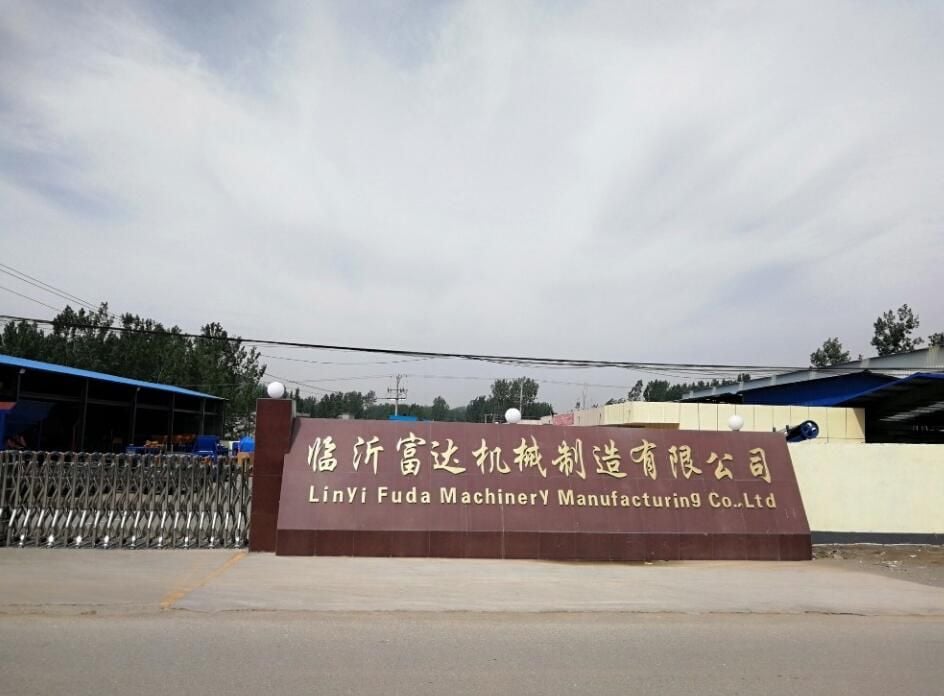
Manufacturer: Linyi Fuda Brick Machine Co.,Ltd. | Export Service: Linyi Yingcheng International Trade Co.,Ltd.
Adaptation Note: Optimized for Ghana’s local clay/sand raw materials & construction needs
1. Pre-Use Preparation (Critical for Ghana’s Conditions)
1.1 Raw Material Preparation (Match Local Resources)
Our machines are calibrated for Ghana’s common raw materials—follow these standards to avoid jamming or low-quality bricks:
-
Clay/Sand: Particle size ≤ 5mm (sieve if needed); moisture content 12%-18% (test: squeeze into a ball, it holds shape without dripping).
-
Additives: If using cement as a binder, mix at 5%-8% (adjust based on brick strength needs; our team provides custom ratios for your region).
1.2 Site & Equipment Check
-
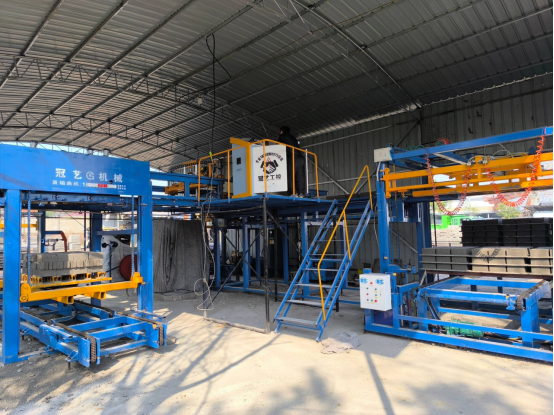
Site: Choose a flat, well-drained area (avoid waterlogging during Ghana’s rainy season). Keep 3m+ space around the machine for raw material stacking & brick storage.
-
Power: Ensure stable 380V 3-phase electricity (common in Ghana’s industrial areas). Prepare a backup generator (≥ machine power, e.g., 20kW for small automatic models) for power outages.
-
Machine Inspection: Check hydraulic oil level (oil mark 2/3 full), mold tightness, and conveyor belt alignment. Contact our local service team if parts are loose (after-sales hotline: [to be filled by your company]).
2. Step-by-Step Operation Process
2.1 Startup (Safety First)
-
Turn on the main power switch; the control panel indicator light will turn green.
-
Press the “Preheat” button (for automatic models) and wait 5 minutes (critical for hydraulic system stability in Ghana’s warm climate).
-
Test-run: Press “Empty Operation” to check if the mold, press head, and conveyor move smoothly.
2.2 Brick Making (High Efficiency & Quality)
-
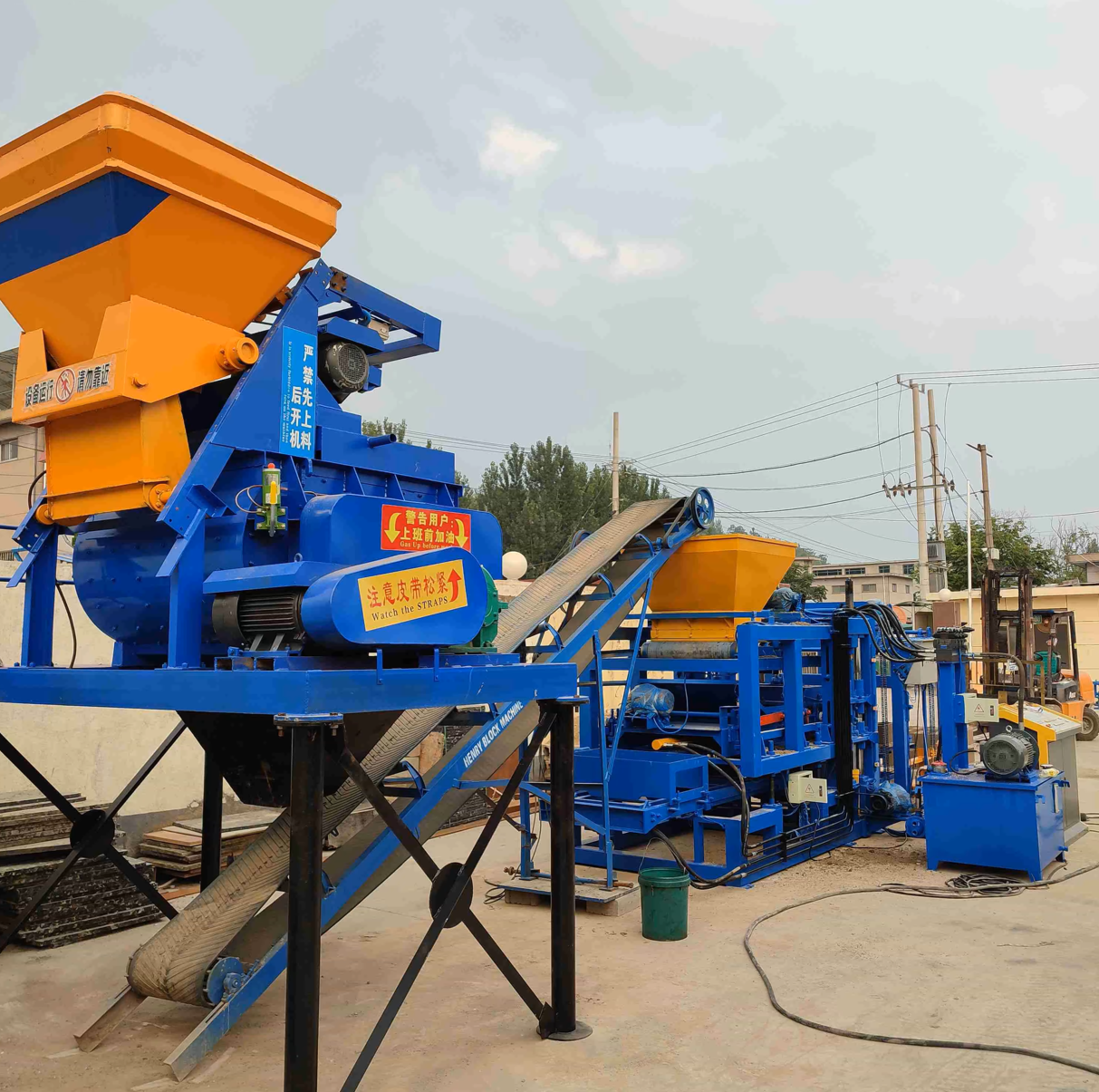
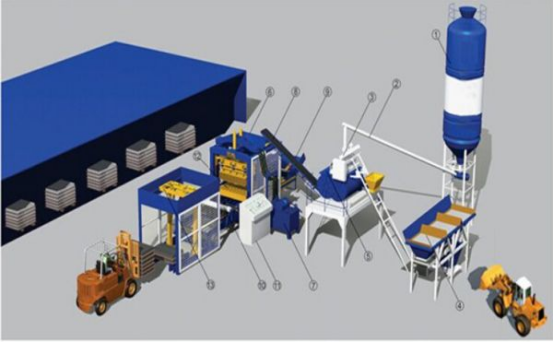
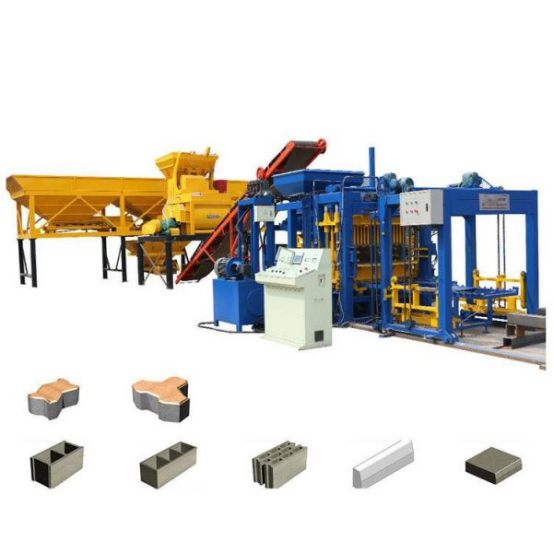
Raw Material Feeding: Pour prepared clay/sand mixture into the hopper (use our matching loader for large models—we provide loader procurement as part of one-stop service).
-
Mixing & Conveying: The machine automatically mixes and conveys the material to the mold. Adjust the feeding speed via the control panel (reference: 50kg/min for small models).
-
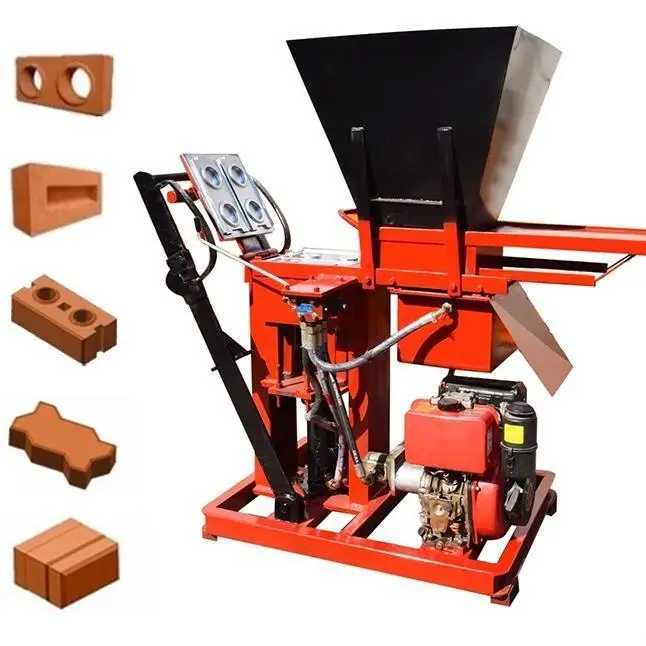
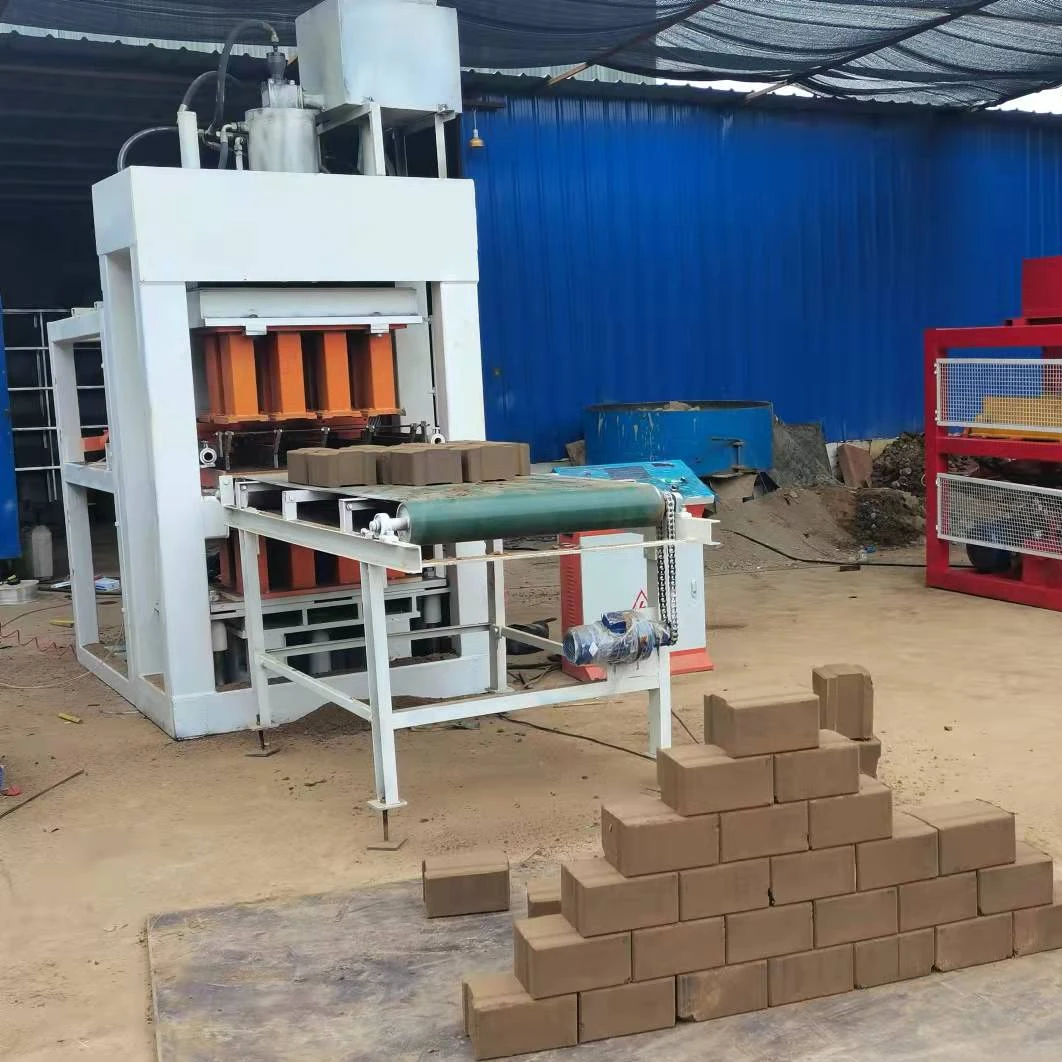
Press Forming: Set the pressure (20-30MPa for standard clay bricks; our ODM service can pre-set this for your brick type). Press “Form” and wait 3-5 seconds for solidification.
-
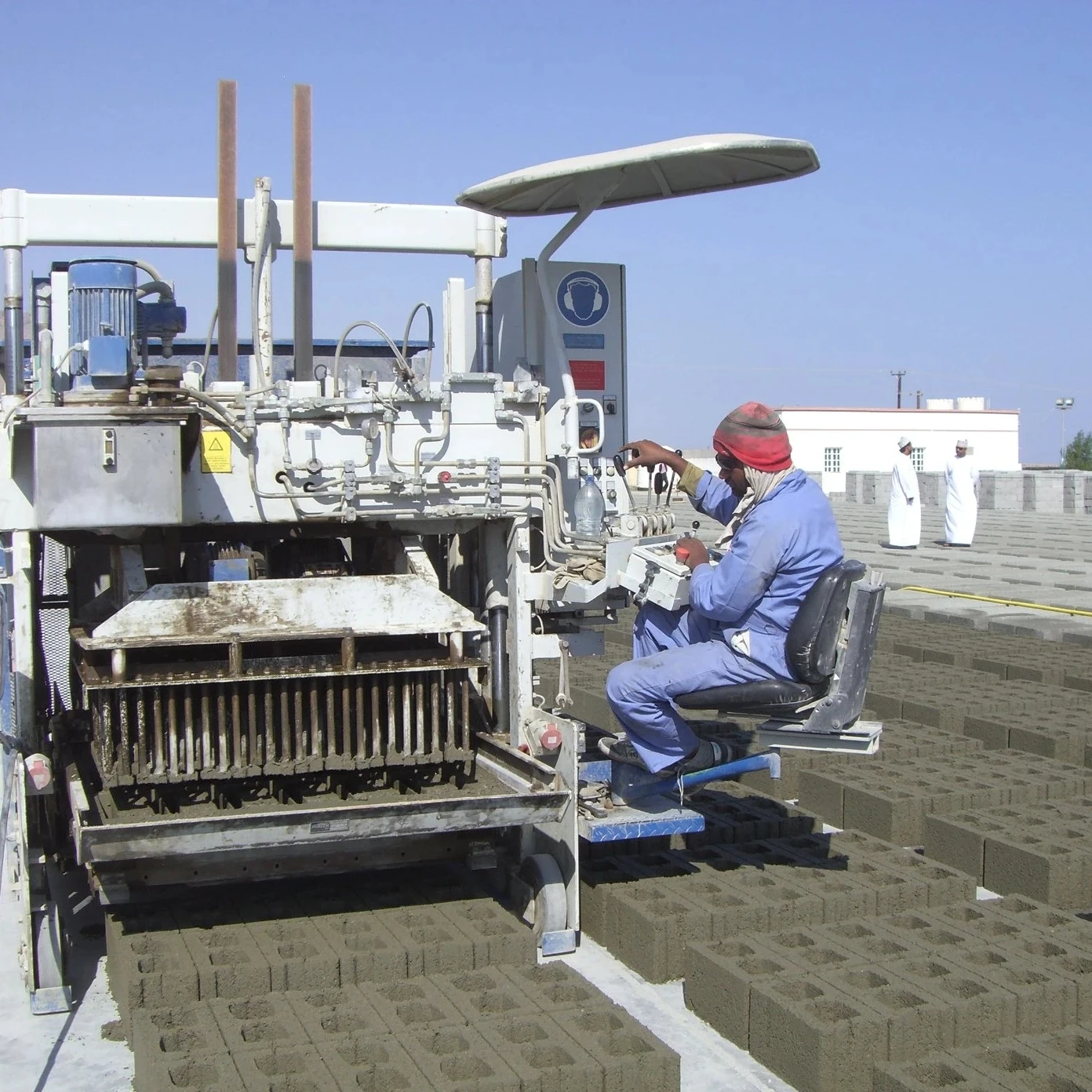
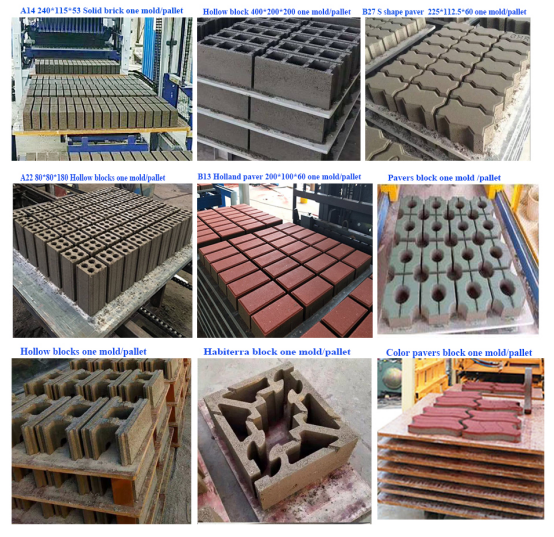
Demolding & Stacking: The finished brick is pushed out by the conveyor. Stack bricks on pallets (keep 2cm gaps for air-drying; avoid direct sunlight in Ghana’s hot weather).
3. Daily Maintenance (Prolong Machine Life)
3.1 After-Use Cleaning (Must-Do!)
-
Turn off power; clean the hopper, mold, and conveyor with a soft brush (never use water on the electrical panel).
-
Apply anti-rust oil to the mold surface (we provide matching oil in the accessory kit) to prevent corrosion from humid air.
3.2 Regular Checks
|
|
|
|
|
Check hydraulic oil leakage; clear dust from the motor.
|
|
|
Tighten mold bolts; replace the air filter (dirty filters reduce efficiency).
|
|
|
Test pressure gauge accuracy; contact our team for a free inspection (included in 1-year warranty).
|
4. Troubleshooting (Ghana Local Support)
|
|
|
|
|
Raw material moisture too low → spray small amounts of water.
|
|
|
Power fluctuation → switch to backup generator; contact our electrician if persists.
|
|
|
Material too dry → clean mold with oil; adjust feeding ratio.
|
Note: For complex issues, call our Ghana after-sales center (we have service points in Accra/Kumasi) or your dedicated Yingcheng trade manager.
5. Safety & Warranty Reminders
-
Operators must wear gloves/helmets (training provided by our team during machine installation).
-
Warranty: 1-year free repair for quality issues; lifetime technical support.
-
One-stop service: We supply excavators/loaders for site preparation—ask your sales rep for a package quote.
 EN
EN