 EN
EN
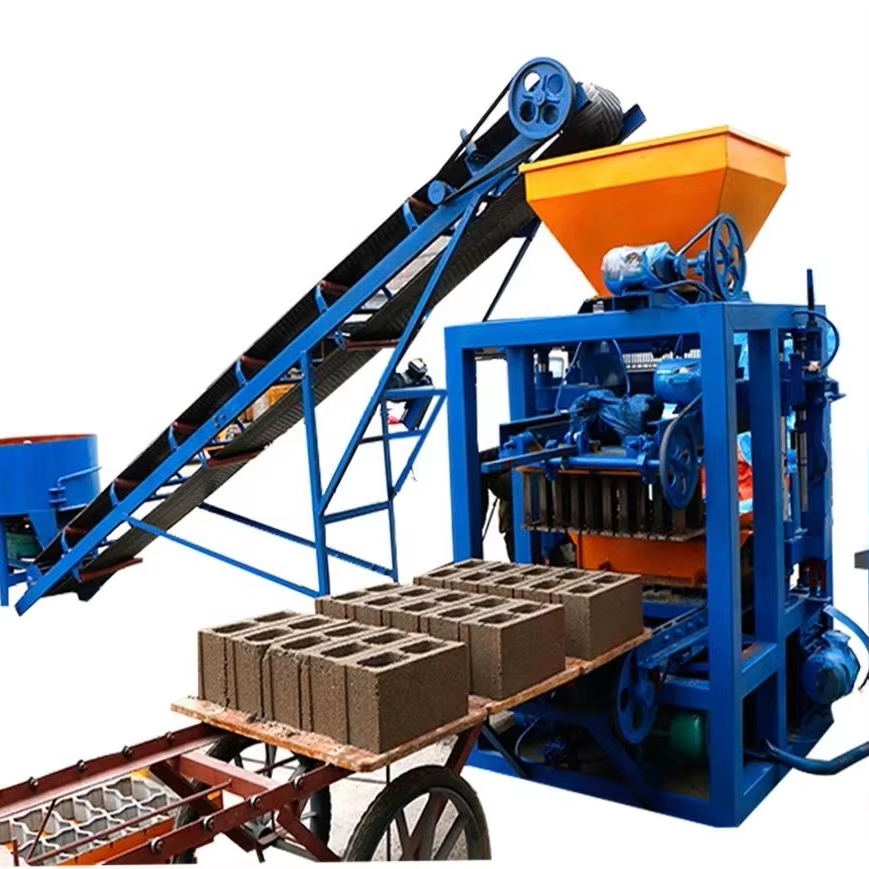
Lower Entry Barrier: Semi Automatic Block Making Machine for Budget-Conscious Startups
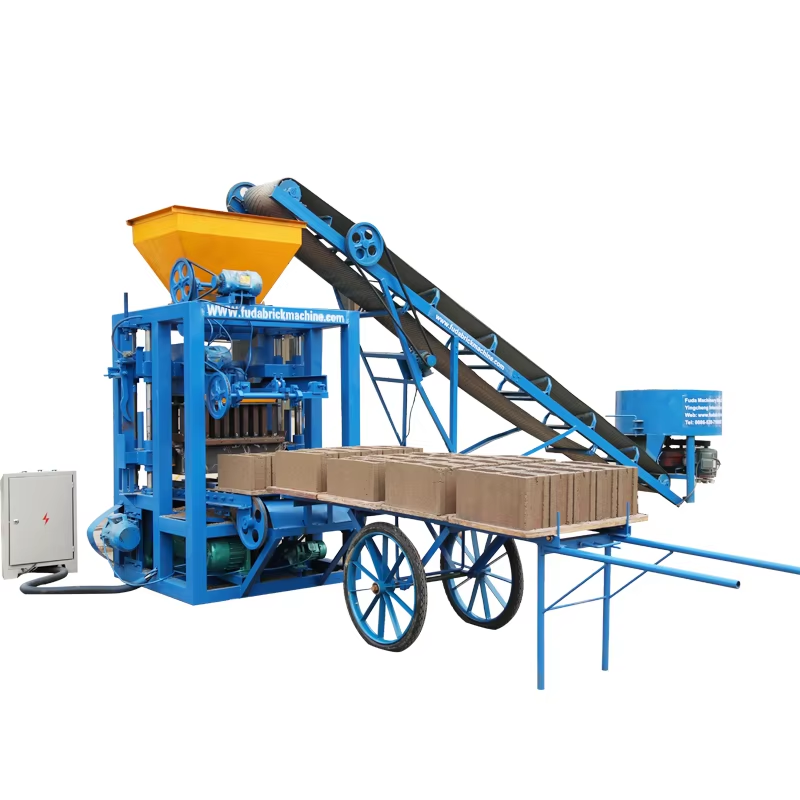
Reduced Initial Capital Outlay vs. Fully Automatic Alternatives
Most startups run into serious money issues when they first get going. That's where semi automatic block makers come in handy, costing around half as much as their fully automatic counterparts. While full automation can set someone back over $40k, semi auto versions are available for just $15k or so. This price gap matters because it leaves room in the budget for things like buying raw materials, getting the word out there through marketing, and actually setting up shop somewhere. Why is there such a big difference? Well, these semi automatic machines have simpler parts and don't need all those fancy electronics. For entrepreneurs watching every dollar, this makes starting production possible without taking on mountains of debt or giving away chunks of ownership to investors. It lets them jump into the market right away while still keeping enough cash on hand to grow later on.
Faster ROI Through Labor Savings and Reduced Outsourcing Costs
Semi automatic machines can really speed up when companies break even because they cut out those third party manufacturing markups which usually take around 25 to 35 percent off each project budget plus all the shipping costs too. Sure, someone still has to feed materials into these machines manually, but overall labor expenses stay pretty reasonable when compared against what it costs to outsource work elsewhere. This is especially true in places like Southeast Asia where skilled workers aren't asking for sky high salaries yet still deliver quality results. Construction firms there have seen return on investment within about 12 to 18 months using this mixed approach. Another big plus is that since people help operate the machines, they tend to be simpler devices that don't need constant fixing. Maintenance bills alone save money since automated systems often eat up between 7 and 10 percent of company revenues just keeping everything running smoothly.
Scalable Production: Grow Your Output Without Overhauling Equipment
The unpredictable nature of startup business means having adaptable equipment becomes really important. The semi automatic block making machine can grow right alongside a company's needs, from those initial home improvement projects all the way up to bigger commercial jobs without needing expensive shutdowns or buying whole new machines. What makes this possible is the machine's modular setup that lets businesses add features such as extra vibration components or automatic feeding mechanisms when their workload picks up. Instead of spending big bucks upfront on something they might not need yet, companies get to scale gradually while still producing blocks that meet quality standards regardless of whether they're working on a small job site or larger construction projects.
Meeting Demand from Small Projects to Mid-Scale Contracts
The operators have the ability to tweak how many blocks get made each day anywhere between 200 and 1,200 depending on what's needed right now, which helps keep things running smoothly even when business is slow. Take a small company starting out for instance they often begin helping fix up houses in nearby neighborhoods. As demand grows, these same companies can switch gears without much trouble just bring in extra workers for longer hours instead of buying expensive new equipment for bigger city projects. The flexibility saves money upfront and lets businesses jump on new chances as they come along.
Seamless Upgrade Path to Full Automation as Your Business Expands
When scaling beyond 5,000 daily blocks, manufacturers can integrate PLC controls and conveyor systems into existing semi-automatic frames. This cuts transition costs by 40% compared to full equipment replacements (Construction Tech Review 2023). The phased approach preserves your initial investment while future-proofing operations critical for startups targeting sustainable growth.
Operational Simplicity: Minimal Training and Reliable Block Quality
User-Friendly Interface and Low-Skill Operation for Startup Teams
The semi automatic block makers come with easy to use controls and straightforward processes that let new workers get up to speed pretty quickly. Most folks can handle the basics in just 1 to 3 days, which cuts down training time by around 70% when compared to those fancy fully automated systems according to Construction Tech Review from last year. What makes these machines so great for small businesses is they don't require hiring special tech experts. Startups can just train their regular construction crew instead of waiting weeks for new hires. This saves money too about $3,000 to $5,000 per person on average for getting employees ready to work. And guess what? The savings from training can go right back into expanding production capacity. Teams typically start making blocks that meet ASTM standards within the first seven days after setting everything up.
Consistent Dimensional Accuracy and Strength Compliance in Every Batch
Integrating a semi-automatic block making machine ensures material consistency while reducing manual quality checks by 40%, minimizing construction delays and rejection rates.
Strategic Independence: Control Supply Chain and Sustainability with On-Site Semi-Automatic Block Making Machine Deployment
When startups install a semi automatic block maker right at their construction site, it completely changes how they handle supply chains. Making blocks on location means no longer relying on outside suppliers who might get hit by global problems we've seen recently. Take for instance those supply chain delays costing companies around $740 thousand on average according to Ponemon Institute research from last year. With this setup, businesses can source exactly what they need when they need it, cut down on wasted materials during production runs, and maintain better quality throughout all stages of a project. Plus, local manufacturing cuts down transportation related carbon emissions by roughly 40 percent as reported by Sustainable Construction Quarterly in 2022. That helps meet current green standards while also giving startups real control over two major concerns: their impact on the environment and the costs associated with moving goods around. This kind of flexibility becomes especially valuable as regulations evolve and raw materials become harder to obtain consistently.
FAQ
Why choose a semi automatic block maker over a fully automatic one? Semi automatic block makers are typically more cost-effective, require less initial investment, and allow flexibility in scaling production as the business grows.
How do semi automatic machines provide faster ROI? They reduce labor and outsourcing costs, allowing companies to break even faster by eliminating third-party manufacturing costs and maximizing internal labor efficiency.
Can semi automatic block makers handle large-scale production? Yes, semi automatic machines can be scaled up for larger jobs through modular upgrades, allowing businesses to expand output without major equipment overhauls.
What are the training requirements for operating semi automatic block makers? Training typically takes between 1 to 3 days, enabling regular construction crew to operate them without needing highly specialized skills.
How do semi automatic block makers impact sustainability? Deploying block makers on-site reduces reliance on outside suppliers, cuts transportation-related emissions, and ensures better control over supply chain sustainability.