 EN
EN

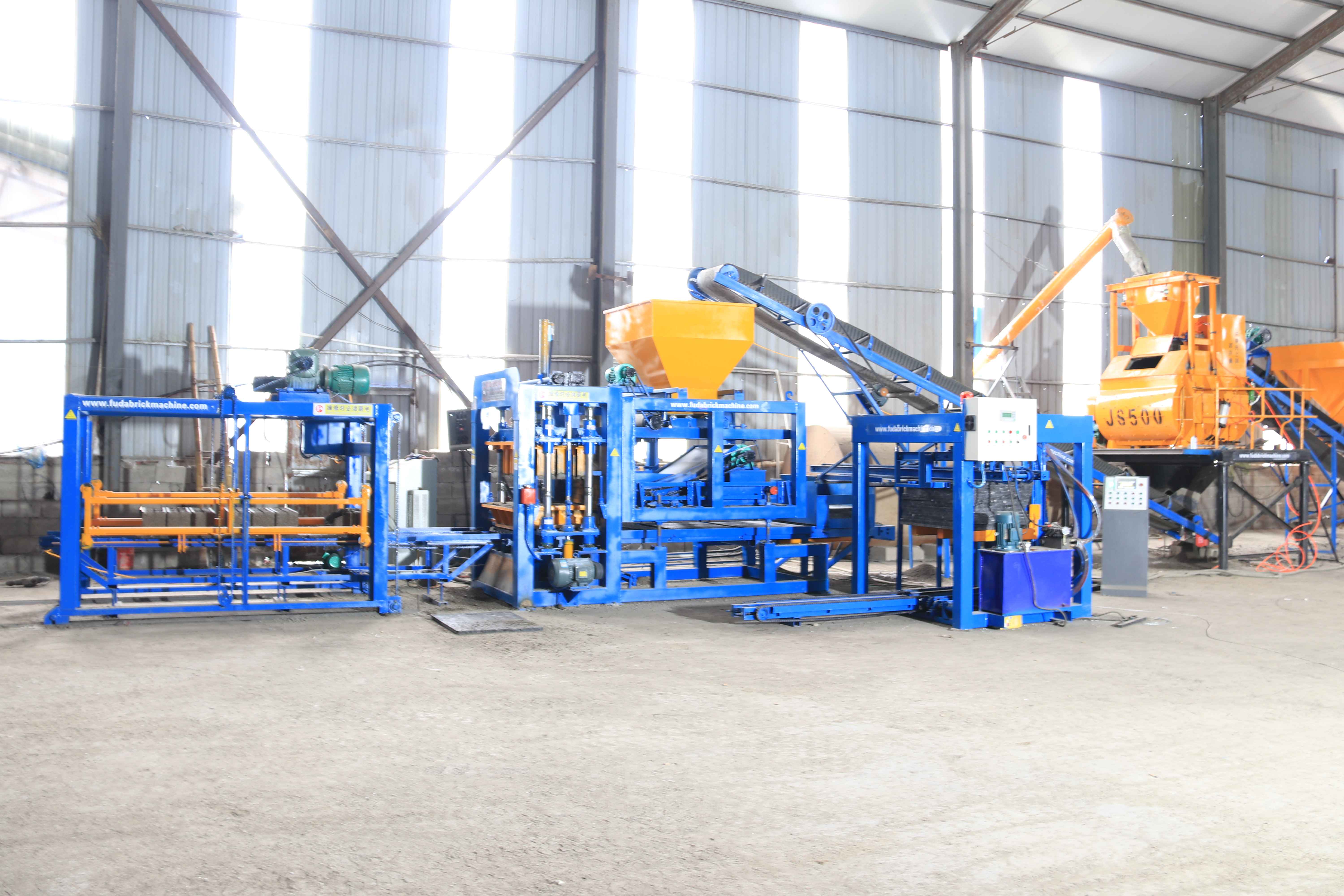
Enhanced Project Agility Through On-Site Mobility and Flexibility with Mobile Block Making Machine
Portability of Mobile Block Making Machines Enables Rapid Deployment Across Dynamic Job Sites
Today's mobile block makers come in compact packages with built-in wheels or trailer hitch points so construction teams can move them from job site to job site within two days max. No need to build those costly permanent factories anymore. Contractors love this because it lets them pivot quickly when project needs change during different development phases. The machines themselves are pretty cool too - made with lightweight steel frames and parts that snap together like puzzle pieces. Setup becomes much simpler even if the ground isn't perfectly level, which happens all the time out in the field.
On-Site Production Reduces Reliance on External Suppliers and Streamlines Material Availability
When contractors make concrete blocks right on site instead of waiting for shipments from distant suppliers, they save a ton of time that would otherwise be wasted during delivery waits. According to some research published last year in the field of construction logistics, teams working with mobile block-making equipment saw their problems with missing materials drop by around two thirds when compared to old school buying practices. The ability to tweak inventory as needed means workers always have just enough blocks for whatever part of the project needs them next whether it's building walls, laying down pavement surfaces, or setting up proper drainage solutions. Nobody wants to end up with truckloads of extra concrete sitting around unused after the job is done.
Adaptability to Changing Project Demands with Real-Time Block Manufacturing
With mobile production units, construction crews can switch up what they're making pretty quickly depending on what the project needs. One day they might be churning out regular concrete blocks, then next day switching to insulated versions or special paving stones once the architects tweak their blueprints. The operators usually take about an hour and a half to get the molds set for new products, so there's not much downtime when changes happen mid-project. Most contractors we've talked to say they face around 30% fewer penalty charges for last minute changes when they have these portable systems right at the job site instead of relying on distant suppliers who might not be able to adapt so fast.
Significant Cost Savings via Reduced Transportation and Labor Needs
Mobile block making machines unlock 18–34% cost reductions in construction projects by localizing production and automating workflows. A 2023 Concrete Industry Efficiency Study found $18.50/ton savings from eliminating bulk material transport—equivalent to $92,500 annually for mid-sized contractors.
Lower Transportation Costs Through Localized Concrete Block Production
Manufacturing right at the construction site can cut down on fuel and logistics costs anywhere from 80 to almost 95 percent when compared with traditional central plant operations. When they produce around 500 hollow blocks each hour directly where needed, this basically removes between 46 and 58 truck trips every month that would otherwise be necessary just to deliver those same blocks. The latest Logistics Efficiency Report from 2024 shows something interesting too. Contractors who have switched to making blocks locally instead of shipping them in report saving about 15 to 20 percent on transportation fuels simply because they can better plan delivery routes and combine shipments more efficiently.
Labor Efficiency Improvements Powered by Automated Mobile Block Making Machines
Modern units produce 150–300 blocks/hour with just 2 operators—73% fewer workers than traditional manual methods. Automated batching and hydraulic compression systems enable one worker to manage three machines simultaneously, boosting productivity by 30%. This optimization reduces labor costs by $8,200/month per site.
Decentralized Manufacturing Cuts Overhead and Supply Chain Expenses
Eliminating third-party suppliers removes 22–35% markup fees and avoids $1,200–$4,800/month in warehouse storage. Project managers report 60% faster procurement cycles when using mobile machines, as shown in this cost comparison:
| Expense Category | Traditional Supply Chain | Mobile Machine Solution |
|---|---|---|
| Material Transportation | $14,800/month | $0 |
| Labor | $32,000/month | $8,500/month |
| Supplier Markups | $9,200/month | $0 |
This decentralized model is especially effective in remote areas where conventional logistics would consume 35–42% of total budgets.
Faster Construction Timelines with Immediate Block Availability
Accelerated Project Turnaround Due to On-Demand Block Output
Mobile block making machines produce 800–1,200 blocks per hour on-site, eliminating the 3–5 day wait for supplier deliveries. Projects using localized manufacturing reduce foundation completion timelines by 60%, enabling masonry work to begin within hours rather than days. For typical housing developments, this compresses overall schedules by 3–4 weeks.
Real-Time Production Keeps Pace with Construction Schedules
These machines synchronize block output with daily progress, eliminating inventory shortages that stall 38% of projects. Crews adjust mix designs and quantities in real time to match evolving structural needs, avoiding the 12–18 hour halts common with offsite suppliers.
Supply Chain Autonomy Prevents Delays from Delivery Bottlenecks
Producing blocks within 50 meters of active work zones avoids the 27% risk of delay from traffic disruptions and fuel shortages. Site-made blocks require no protective packaging or loading/unloading, enabling direct placement from machine to masonry site.
Key Metric: Projects using on-site block production reduce schedule overruns by 41% (Global Construction Analytics, 2024).
Production Versatility Across Block Types and Remote Locations
Interchangeable Molds Allow Diverse Block, Paver, and Curb Production
The latest mobile units make switching molds super fast, letting one machine handle more than 15 different products right out of the box. Think hollow blocks, pavers, those fancy decorative curbs people want these days. With standardized connections between parts, changing tools takes less than half an hour. Contractors love this because they can take on special requests for driveway projects or city sidewalk work without stopping their whole operation mid-job. And there's another bonus too. These flexible systems cut down on waiting around for materials by about 40 percent when compared to older machines that only do one thing at a time.
Broad Application in Residential, Commercial, and Infrastructure Projects
Mobile block making machines have proven themselves incredibly versatile across different industries. Builders working on housing developments find them indispensable for creating partition walls and decorative landscape features. Meanwhile, civil engineering teams rely on these machines when they need drainage blocks or special units to combat erosion problems. According to recent industry reports, around three out of four infrastructure projects that manufacture blocks right at the construction site finish their concrete work phase about two to three weeks quicker compared to projects waiting for deliveries from central suppliers. This time saving becomes especially valuable in city centers where getting materials through congested streets within strict deadlines can be a real headache for project managers.
Ideal for Remote or Low-Infrastructure Areas With Limited Material Access
These machines can process local aggregates and sand, making it possible to build in areas without regular supply chains. The ability really matters for developing regions where almost two thirds of road projects used to fail because getting materials there was so tough. Construction crews working in mountains or on islands manage to use about 95% of their materials when they tweak their mix designs based on what's actually available nearby. What might seem like limitations becomes something they work with instead of against, giving them an edge over competitors who rely on standard approaches.
Environmental Benefits of Localized Block Manufacturing
Mobile block making machines enhance sustainability by decentralizing production through three key mechanisms:
Reduced carbon footprint through minimized transport emissions
On-site manufacturing eliminates 60–80% of transportation-related emissions compared to centralized supply chains. By producing blocks at project locations, operators avoid diesel-intensive hauling of prefabricated materials over long distances.
Sustainable construction practices supported by on-site resource use
Modern systems incorporate 30–40% recycled aggregates like crushed concrete, while closed-loop water systems reclaim 95% of process fluid—benchmarks verified by the 2023 Sustainable Building Materials Initiative. This approach reduces virgin material extraction and minimizes freshwater consumption during curing.
Lower overall environmental impact compared to traditional supply chains
A 2024 lifecycle analysis demonstrates that localized production achieves 35% lower embodied carbon per block than conventional methods. The combined effect of reduced transport, material circularity, and energy-efficient compaction creates a cleaner construction paradigm.
FAQ
What are the primary benefits of using mobile block making machines?
Mobile block making machines offer enhanced project agility, significant cost savings, faster construction timelines, production versatility, and environmental benefits. They enable on-site manufacturing, reducing transportation needs and facilitating real-time adaptability to project demands.
How do mobile block making machines improve construction timelines?
These machines produce blocks directly on-site, eliminating supplier delivery wait times and ensuring immediate availability. This accelerates project turnaround, reduces schedule overruns by an estimated 41%, and allows masonry work to begin within hours.
Can mobile block making machines be used in remote locations?
Yes, they are ideal for remote or low-infrastructure areas with limited material access, utilizing local aggregates and sand to build efficiently even in challenging terrains.
How do mobile block making machines benefit the environment?
They reduce the carbon footprint by minimizing transport emissions, support sustainable practices through on-site resource use, and achieve a lower overall environmental impact compared to traditional supply chains.
Table of Contents
- Enhanced Project Agility Through On-Site Mobility and Flexibility with Mobile Block Making Machine
- Significant Cost Savings via Reduced Transportation and Labor Needs
- Faster Construction Timelines with Immediate Block Availability
- Production Versatility Across Block Types and Remote Locations
- Environmental Benefits of Localized Block Manufacturing
- FAQ