 EN
EN

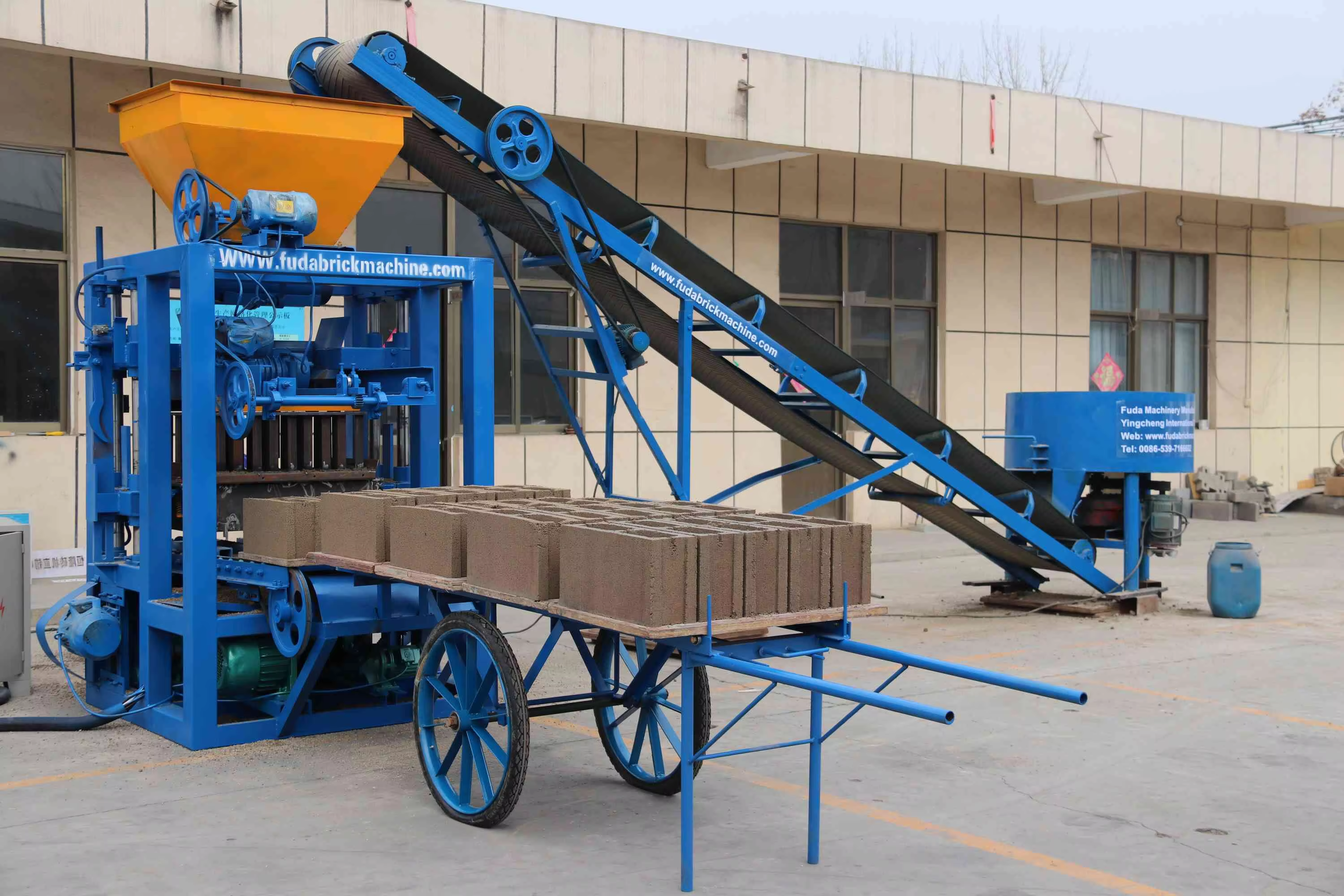
Key Technical Specifications of a High-Performance Semi Automatic Block Making Machine
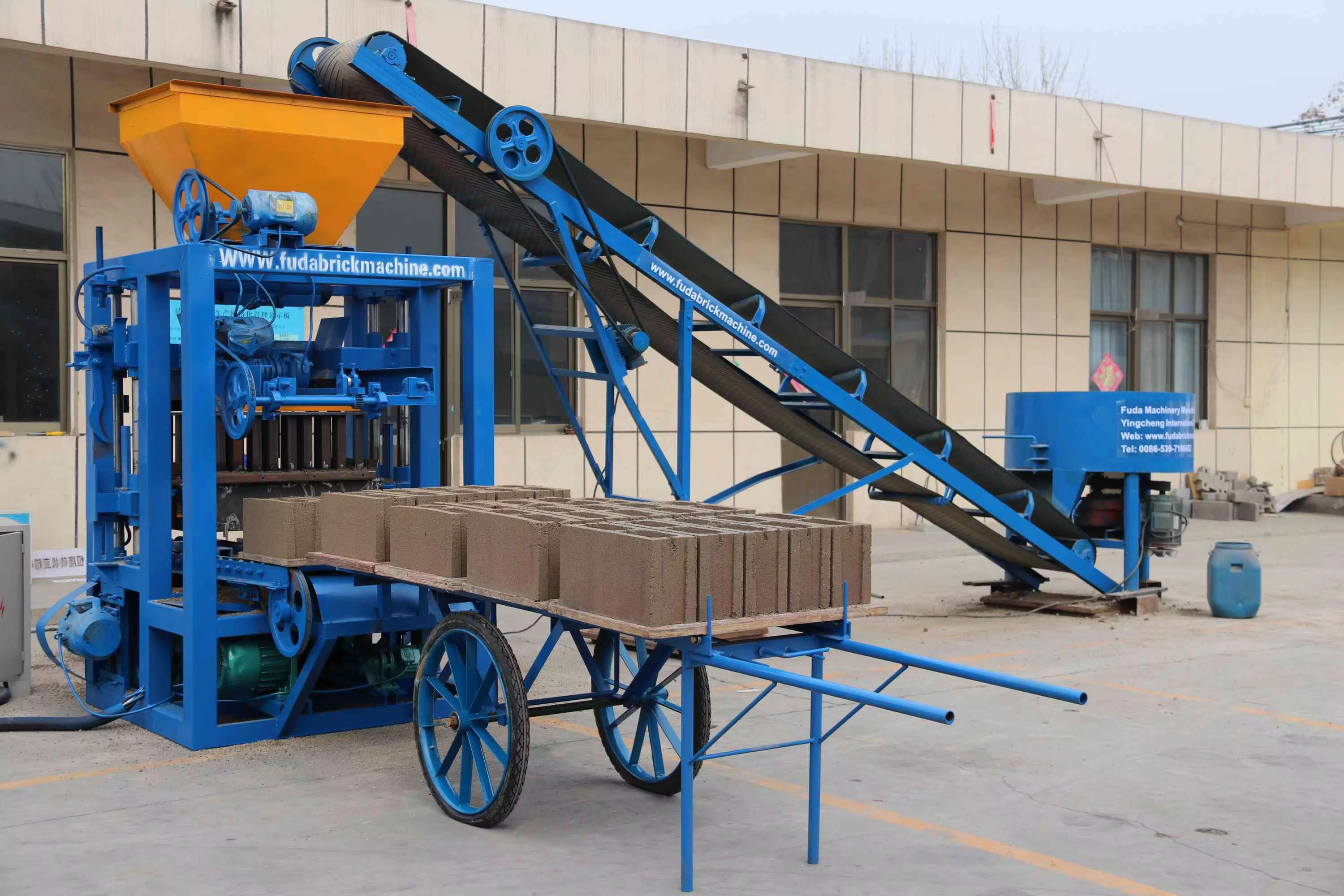
QT4-28 Benchmark: Power Rating (7.5–11 kW), Automation Level (Semi-Automatic with Manual Molding & Hydraulic Pressing), and Real-World Output (1,200–1,800 blocks/8hr)
The QT4-28 is basically built to handle two different tasks at once while still keeping things running smoothly. It works across a power range from around 7.5 to 11 kilowatts, which means it can compact both hollow and solid blocks consistently without missing a beat. What makes this machine stand out is its semi-automatic setup where workers place molds by hand but then rely on hydraulics for the pressing action. This combination typically results in cycle times somewhere between 15 and 25 seconds depending on conditions. Looking at what happens on site, most operators report getting anywhere from 1,200 up to 1,800 blocks made during an 8 hour workday. Of course, the actual numbers will vary based on how wet the materials are when loaded and what kind of density they want in the finished product.
Key components enabling this throughput include:
- 1200mm mixers for uniform raw material blending
- Link chain conveyors—reducing maintenance downtime compared to V-belt alternatives
- Programmable Logic Controllers (PLCs) that dynamically regulate vibration duration and hydraulic pressure (1500–3000 PSI), reducing material waste by 18% versus fully manual systems
Energy Efficiency vs. Throughput: Evaluating Operational Cost per Block at Scale
Optimizing cost per block demands careful calibration of energy use against production volume. While 11 kW models boost hourly output by 23%, they increase kilowatt-hour consumption—raising energy costs by 18% over 7.5 kW units. Modular designs ease this trade-off: interchangeable molds enable rapid switching between block types without recalibration or setup delays.
Annual operational costs average $740k per unit, factoring in power, labor, and maintenance (Ponemon Institute, 2023). Scalability significantly improves economics—a 10-unit operation reduces per-block costs by 34% compared to single-machine setups, driven by bulk material procurement and shared technician logistics.
Critical Selection Criteria for Buyers of Semi Automatic Block Making Machines
Beyond Price: Mold Compatibility, Local Service Network, and Spare Parts Availability
Initial purchase price is only one dimension of value. Long-term operational resilience depends on three often-overlooked criteria.
When molds work well together, switching between making hollow blocks and solid ones becomes much smoother. This cuts down on expensive retrofitting costs and those frustrating unexpected shutdowns that happen when market needs change suddenly. Having good local service support matters just as much. Techs who know their stuff can fix problems with hydraulics or electrical systems pretty quickly before things get worse. According to some research from Ponemon Institute back in 2023, these random stoppages end up costing around $740,000 each year for every production unit simply because nothing gets made during those times. Getting spare parts when they're needed makes a big difference too, especially for components that wear out fast like hydraulic seals and control modules. Plants that struggle to get replacements right away tend to wait about 30% longer to get back online after breakdowns. Companies that focus on finding suppliers strong in these three areas protect not only their ongoing operations but also maintain better product standards while keeping their investment dollars working harder.
FAQ
What is the power consumption range of the QT4-28 block making machine?
The QT4-28 machine operates at a power range of 7.5 to 11 kilowatts, allowing it to efficiently compact both hollow and solid blocks.
How does cycle time impact production on semi-automatic block making machines?
The cycle time for the QT4-28 machine ranges from 15 to 25 seconds, impacting production efficiency. Shorter cycle times lead to a higher output, ranging from 1,200 to 1,800 blocks in an 8-hour shift, depending on material and density requirements.
What are the factors affecting operational costs for these machines?
Operational costs are influenced by power rating, cycle time, automation level, and scalability. For instance, 11 kW models increase output but also raise energy costs by 18% compared to 7.5 kW models.
Why is local service support important for block making machines?
Local service support ensures quick resolution of issues with hydraulics or electrical systems, preventing expensive downtime and maintaining continuous production.