 EN
EN
Understanding the Mobile Block Making Machine and Its Core Functionality
What is a mobile block making machine?
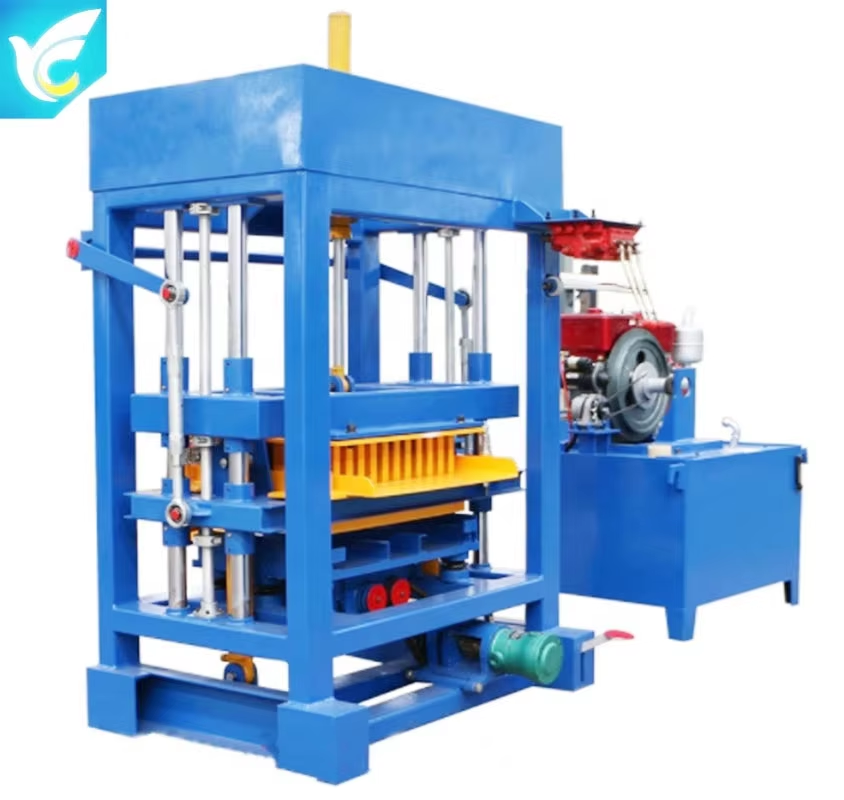
Mobile block making machines, or MBMMs for short, are basically all-in-one units that create concrete blocks right where construction work happens. These portable systems work differently than traditional fixed plants because they combine hydraulic pressure with vibrating mechanisms to make dense blocks, paving stones, and road curbs from basic ingredients. What makes them stand out is their modular setup which lets crews move them from one site to another in just a few hours. This means contractors don't have to depend on distant factories anymore, saving both time and transportation costs during projects.
How does mobility enhance construction efficiency?
Mobility reduces logistical delays by aligning production with on-site demand. Contractors avoid storage costs and material waste by manufacturing only what’s needed for each phase—particularly beneficial for SMEs operating under tight budgets. Field data shows projects using MBMMs reduce delivery-related delays by 42% compared to traditional supply chains.
Key components and operational principles of modern mobile units
Modern MBMMs operate through three integrated systems:
- Hydraulic Power Pack: Delivers up to 3,500 psi pressure for consistent block density
- Adjustable Vibration Tables: Eliminate air pockets and adapt to various concrete mixes
- Quick-Release Molds: Allow operators to switch block dimensions (100–400mm) in under 15 minutes
This configuration enables one operator to produce over 1,000 standard blocks per 8-hour shift while maintaining dimensional tolerances within ±1.5mm.
Operational Flexibility and On-Site Production Advantages
Portability in Dynamic Construction Environments
These mobile block makers come equipped with those compact trailer frames that make them perfect for busy construction sites. Just hook them up to any regular truck and they're ready to go within minutes right there on site where the action is happening. What really stands out though are those interchangeable molds and foldable conveyor belts. Workers can switch from making basic foundation blocks to fancy decorative pavers without missing a beat. The whole point of this mobility thing? It saves companies tons of money since less materials need to be hauled around. Some studies put the savings at anywhere between 35% to almost half what traditional central mixing plants would require according to that Construction Logistics Report last year.
Quick Relocation With Minimal Downtime
High-end models include hydraulic auto-leveling and plug-and-play electrical systems, allowing redeployment in under four hours. In Hunan Province, contractors used this capability during flood recovery efforts, moving production daily across 23 locations without disrupting repair timelines.
Real-Time Production Aligned With Project Phases
On-demand manufacturing removes the need for bulk inventory—critical on space-limited urban sites. Crews can produce load-bearing blocks during foundational stages, then pivot to facade or paving elements as designs evolve. Digital monitoring systems allow instant adjustments to mix ratios when specifications change mid-project.
Case Study: Multi-Site Residential Development
A contractor in Shandong completed 12 phased housing projects 18% faster using a single mobile unit. The machine simultaneously produced partition walls at one location and landscaping curbs at another, demonstrating how coordinated deployment reduces per-unit costs by 22% in multi-phase developments.
Production Versatility and Customization Capabilities
The latest mobile block making machines give small businesses the ability to produce over 12 different concrete products all from a single machine. These include regular blocks, road curbs, those fancy interlocking pavers for driveways, and even retaining wall components. A recent industry report from 2024 shows that around two thirds of small construction firms are focusing on versatile equipment these days. They want to cut down on upfront costs but still offer a wider range of services to their clients.
Types of Concrete Products: Blocks, Curbs, Paving Stones, and More
Interchangeable molds enable rapid shifts between product lines. For example:
| Mold Type | Common Applications | Production Speed (Units/Hour) |
|---|---|---|
| Standard Block | Structural walls, foundations | 500–700 |
| Curved Curb | Landscaping, roadways | 300–400 |
| Hexagonal Paver | Driveways, walkways | 200–300 |
This flexibility supports regional demands—urban developments typically require 35% more paving stones than rural ones (Global Construction Insights 2023).
Adjustable Molds for Diverse Block Sizes and Designs
Molds can be reconfigured in under 20 minutes to produce units ranging from 100 mm – 200 mm utility bricks to 400 mm – 600 mm architectural features. Modular mold systems reduce retooling costs by up to 60% compared to fixed stationary machines.
Meeting Rising Demand for Customized Elements in SME Projects
With 78% of mid-sized firms reporting increased client requests for custom concrete (Construction Business Survey 2024), mobile units support on-site creation of:
- Branded pavers with embedded logos
- Color-matched blocks for architectural consistency
- Slope-specific retaining units for terraced landscapes
This capability empowers SMEs to compete for premium contracts without outsourcing specialized production.
Cost-Effectiveness and Labor Efficiency for SMEs
Reducing Labor Costs Through Semi-Automated Operation
MBMMs reduce staffing needs by 40–60% via automated mold filling and integrated vibration systems. A single operator can manage output that previously required 3–4 workers, sustaining production rates of 800–1,200 blocks per hour while lowering labor expenses.
Minimizing Material Waste With Precision Manufacturing
Programmable logic controls (PLC) ensure raw material accuracy within 2%, far surpassing the 8–12% waste typical of manual methods. Pressure sensors and automated water dosing optimize curing conditions, saving an average of 22 metric tons of materials annually per machine—equivalent to $9,300 in cost savings based on current cement prices.
Balancing Upfront Investment With Long-Term Savings
Though initial costs range from $28,000 to $45,000, most operators achieve return on investment within 18–24 months through combined labor and material efficiencies. Flexible operation modes allow scaling from part-time use to 24/7 production during peak phases, aligning operational costs with project cash flow cycles.
Mobile vs Stationary Machines: Strategic ROI and Growth Potential
Comparative Analysis: Mobile vs Stationary Block Machines for SMEs
Small and medium businesses often face a choice between mobile and stationary equipment based largely on what their particular job requires. The setup time difference is pretty significant too. Most mobile units can be ready to go within just under two hours, whereas getting stationary systems installed takes anywhere from seven to fourteen days. That means projects can kick off about 15 to 20 percent quicker with mobility. Sure, when stationary machines are finally running, they do complete cycles about 30 percent faster than their mobile counterparts. But these big beasts really only make sense for operations that need to produce over 100 thousand items. For everything else, the flexibility of mobile solutions tends to win out.
| Factor | Mobile Machines | Stationary Machines |
|---|---|---|
| Optimal Project Size | 50k–100k units | >100k units |
| Relocation Frequency | Daily | Not feasible |
| Labor Efficiency | 1–2 operators | 3–4 operators + technicians |
Long-Term Return on Investment for Small and Medium Firms
Despite having 40–50% lower upfront costs than stationary systems, mobile machines deliver greater long-term value through recurring project flexibility. A 2023 benchmark study found mobile units achieve ROI in 12–18 months for SMEs handling 3–4 projects annually, versus 24+ months for stationary plants. Key savings include:
- $800–$1,200/month lower maintenance
- 35% reduction in material waste via on-site production
- Avoidance of $15,000–$30,000 in site preparation fees
Scaling Operations and Expanding Service Offerings With One Unit
Mobile machines allow SMEs to bid on diverse projects—from 15,000-unit homes to 50,000-unit infrastructure jobs—without major capital outlays. Contractors using modern MBMMs report:
- 2.3x more projects completed annually than stationary-only peers
- 42% faster expansion into new service areas through rapid redeployment
- 28% revenue growth from offering curbs, pavers, and custom blocks concurrently
One manufacturer’s client increased annual output from 80,000 to 240,000 units by strategically relocating three mobile units across regional sites—achieving output comparable to stationary plants with 60% lower overhead.
FAQ
- What are mobile block making machines? Mobile block making machines are portable units used to create concrete blocks directly at the construction site. They combine hydraulic pressure and vibration mechanisms for efficient block production.
- How do mobile block making machines benefit construction efficiency? These machines reduce logistical delays, avoid unnecessary storage costs, and minimize material waste by aligning production closely with the on-site demand.
- What types of products can MBMMs produce? MBMMs can produce various concrete products such as standard blocks, curved curbs, hexagonal pavers, and other customized products using interchangeable molds.
- How do mobile machines compare to stationary machines? Mobile machines offer greater flexibility with quicker setup times, although stationary machines are faster per cycle when finally operational. They are ideal for projects requiring fewer than 100k units.